
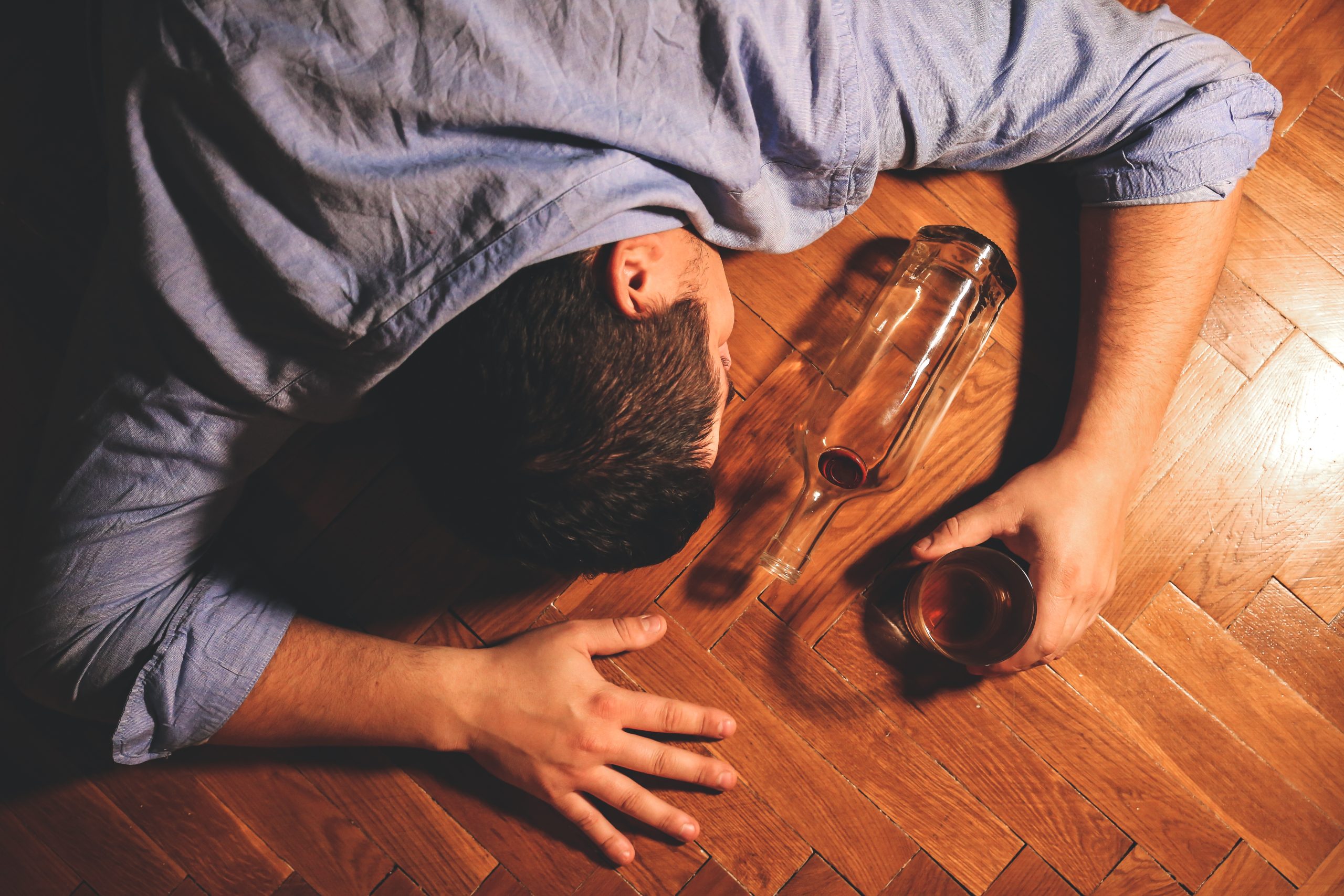
Hey there. Let’s have a frank conversation about something that’s incredibly serious but often misunderstood: alcohol poisoning. It’s a topic that might make you uncomfortable, and it’s frequently whispered about in the aftermath of a party or a big night out. But whispering isn’t enough. We need to talk about it openly, honestly, and without judgment.
Why? Because understanding alcohol poisoning isn’t about scare tactics or wagging a finger at people who drink. It’s about safety. It’s about knowing the signs. It’s about being empowered to save a life – maybe a friend’s, a stranger’s, or even your own.
This isn’t going to be a dry medical lecture. We’re going to break down what people are really searching for. We’ll cover the signs to watch for, what actually happens inside your body, and the critical steps you need to take if you suspect someone is in danger. We’ll bust some dangerous myths and provide clear, actionable advice.
So, grab a seat. Let’s get into this important conversation together.
What Exactly Is Alcohol Poisoning? (It’s More Than Just Being Really Drunk)
First things first, let’s clear up a major point of confusion. Alcohol poisoning is not the same as being very drunk. While both involve consuming alcohol, they are worlds apart in terms of medical severity.
Being drunk affects your coordination, judgment, and inhibitions. You might feel euphoric, sad, or angry; you might stumble, slur your words, and make questionable decisions.
Alcohol poisoning, on the other hand, is a medical emergency. It occurs when you consume so much alcohol in a short period that your body can no longer process it. The concentration of alcohol in your bloodstream becomes toxic, and it begins to shut down the critical areas of your brain that control your basic life-support functions – like breathing, heart rate, and temperature regulation.
Think of it like this: your liver is your body’s filtration plant. It can only process about one standard drink per hour. When you drink much faster than that, the system gets overwhelmed. The excess alcohol floods your bloodstream and travels directly to your brain, acting as a powerful depressant and systematically shutting things down.
A Paramedic’s Perspective: “We don’t get called for people who are just ‘drunk.’ We get called when the body’s core functions are failing. When we arrive, we’re not thinking about sobriety tests; we’re thinking about breathing, circulation, and preventing irreversible brain damage. It’s a life-or-death situation.”
The Most Searched Question: What Are the Signs of Alcohol Poisoning?
This is the information everyone needs to know. If you are ever in a situation where you’re worried about someone, do not hesitate. Look for these critical signs. Remember, a person does not need to have all of them to be in serious danger.
The CAN’T MISS Signs of an Alcohol Overdose:
- C – Cold, Clammy Skin: Their skin might feel cool, damp, or look pale or bluish. This is a sign that their body temperature is dropping to a dangerous level (hypothermia) because alcohol is preventing the brain from regulating it.
- U – Unconsciousness or Semi-Consciousness: They cannot be woken up. You can shake them, shout their name, or even pinch them, and they remain unresponsive or only stir slightly before lapsing back into an unresponsive state. This is the #1 red flag.
- P – Puking (Vomiting): While vomiting is common with heavy drinking, it becomes extremely dangerous when the person is not fully conscious. Their gag reflex is impaired, and they can easily choke on their own vomit, leading to suffocation.
- S – Slow or Irregular Breathing: This is a terrifyingly critical sign. Count their breaths. If they are taking fewer than eight breaths per minute, or if there are pauses of more than 10 seconds between breaths, their brain’s respiratory center is shutting down.
Other Important Warning Signs Include:
- Mental Confusion, Stupor, or Coma: They are awake but completely disoriented. They don’t know who they are, where they are, or what’s happening.
- Seizures: The toxic level of alcohol can cause the brain’s electrical activity to misfire, leading to seizures.
- A Strong Smell of Alcohol: While this seems obvious, don’t dismiss it. If someone exhibits any of the above signs and you smell alcohol, it strongly points to poisoning.
If you see these signs, you are no longer in a “let’s wait and see” situation. You are in a “call for help now” situation.
“What Should I Do?” – Your Step-by-Step Emergency Action Plan
Okay, you’ve identified the signs. Your friend is in trouble. Panic might start to set in, but this is when a clear head and decisive action are most needed. Here is exactly what to do.
Step 1: Call for Emergency Help Immediately.
- In the United States and Canada, dial 911.
- In the United Kingdom, dial 999.
- In Australia, dial 000.
- Know your local emergency number. If you’re unsure, dial 112, the international standard.
When you call, be clear and calm. Tell the operator, “I believe someone has alcohol poisoning.” Give them your exact location and answer all of their questions. Don’t worry about getting the person “in trouble.” Medical responders and police are primarily concerned with saving a life. Laws like the Good Samaritan Law in many places offer legal protection to people who seek help for an overdose.
Step 2: Do NOT Leave Them Alone.
This is non-negotiable. A person with alcohol poisoning can stop breathing or choke at any moment. You need to stay with them until help arrives.
Step 3: Gently Turn Them Onto Their Side (The Recovery Position).
This is the single most important piece of first aid you can provide while waiting. It’s called the Bacchus Maneuver or recovery position, and it can save their life by preventing them from choking on their vomit.
- Kneel beside them.
- Take the arm that is closest to you and raise it above their head.
- Gently roll them toward you so they are lying on their side.
- Tuck their other hand under their cheek to help support their head.
- Bend their top knee to help stabilize their body and prevent them from rolling onto their stomach.
- This position keeps their airway open.
Step 4: Keep Them Warm.
Use a blanket or a jacket. As we mentioned, hypothermia is a real and present danger.
Step 5: Be Prepared to Give Information to Responders.
If you can, try to find out what and how much they drank, and over what period. Did they take any other drugs? Do they have any known medical conditions? This information will be invaluable to the medical team.
Busting the Myths: What NOT to Do
In moments of panic, people often rely on “common knowledge” that is actually incredibly dangerous. These myths can turn a critical situation into a fatal one.
❌ MYTH: Let them “sleep it off.” ✅ REALITY: This is the most dangerous myth of all. “Sleeping it off” can easily become dying in your sleep. An unconscious person is not sleeping. Their blood alcohol level can continue to rise even after they’ve stopped drinking as their stomach and intestines continue to absorb alcohol. They can choke on their vomit or stop breathing. Never, ever let an unconscious person “sleep it off.”
❌ MYTH: Give them a cold shower. ✅ REALITY: This is a terrible idea. The shock of the cold water can cause them to go into cardiac arrest. Furthermore, their body temperature is already dangerously low; a cold shower will only accelerate hypothermia.
❌ MYTH: Make them walk around or drink coffee. ✅ REALITY: Walking around doesn’t speed up alcohol metabolism and only increases the risk of falls and injury. Coffee is a stimulant, but it does nothing to lower their blood alcohol content. It just gives you a wide-awake drunk person, and the caffeine can further dehydrate them, which is also dangerous.
❌ MYTH: Make them vomit. ✅ REALITY: Never induce vomiting. Their gag reflex is already impaired. Forcing them to vomit could lead to them choking and aspirating that vomit into their lungs, causing suffocation or serious lung damage.
❌ MYTH: Give them food or water. ✅ REALITY: If someone is not fully conscious, they can easily choke on food or water. Do not try to give them anything to eat or drink.
There is no magic cure. The only thing that can sober someone up is time. And in the case of alcohol poisoning, that time must be spent under medical supervision.
How Much is Too Much? Understanding Binge Drinking and Risk Factors
People often want a specific number: “How many drinks cause alcohol poisoning?” The truth is, there’s no single answer. It depends on a huge range of factors:
- Age: Younger people and older adults are more susceptible.
- Sex: Women generally have less water in their bodies and lower levels of the enzyme that breaks down alcohol, leading to higher blood alcohol concentrations from the same number of drinks as men.
- Body Size and Weight: A smaller person will be affected more quickly.
- Food in the Stomach: An empty stomach allows alcohol to be absorbed into the bloodstream much faster.
- Speed of Drinking: This is the big one. Gulping down drinks or playing drinking games is the fast track to alcohol poisoning.
- Overall Health: Liver or kidney problems can impair the body’s ability to process alcohol.
- Other Drugs: Mixing alcohol with prescription or illicit drugs can have unpredictable and deadly consequences.
The Dangers of Binge Drinking
The U.S. National Institute on Alcohol Abuse and Alcoholism (NIAAA) defines binge drinking as a pattern of drinking that brings a person’s blood alcohol concentration (BAC) to 0.08 g/dl or above.
This typically happens when:
- Men consume 5 or more drinks in about 2 hours.
- Women consume 4 or more drinks in about 2 hours.
Binge drinking is the leading cause of acute alcohol poisoning. It’s the culture of “pre-gaming,” doing shots, and participating in high-speed drinking games that puts people, especially young people, at extreme risk.
A College Student’s Story: “Everyone was doing shots. It was a competition. I don’t remember the last two I took. My friends said I just sat down and my eyes rolled back. I woke up in the ER with an IV in my arm. The doctor told me my BAC was over four times the legal limit and that if my friends had waited another 30 minutes to call 911, I probably wouldn’t have made it. That was my wake-up call.”
Beyond the Emergency: The Long-Term Aftermath
Surviving a severe case of alcohol poisoning isn’t always the end of the story. The event itself can leave lasting damage.
- Brain Damage: Severe dehydration and lack of oxygen during an overdose can cause irreversible brain damage, affecting memory, learning ability, and other cognitive functions.
- Aspiration Pneumonia: If vomit is inhaled, it can cause a severe and difficult-to-treat infection and inflammation in the lungs.
- Damage to Organs: The heart, liver, kidneys, and pancreas can all suffer damage from an acute, toxic overdose of alcohol.
- Psychological Trauma: The experience can be terrifying and lead to anxiety, depression, or PTSD. It can also be a powerful catalyst for re-evaluating one’s relationship with alcohol.

Prevention: The Most Powerful Tool
While knowing what to do in an emergency is crucial, preventing that emergency from ever happening is the ultimate goal.
If you choose to drink, do so safely:
- Pace Yourself: A good rule of thumb is no more than one standard drink per hour.
- Eat Before and While You Drink: Food in your stomach slows the absorption of alcohol.
- Hydrate with Water: Alternate alcoholic drinks with a glass of water.
- Know Your Limits: Don’t feel pressured to keep up with others.
- Avoid Drinking Games: These games are designed for rapid, excessive consumption—the exact recipe for alcohol poisoning.
- Be a Good Friend: Look out for the people you’re with. Encourage them to slow down and have a plan to get home safely. Create a culture where it’s okay to say “no.”
A Final, Friendly Word
Talking about alcohol poisoning is heavy, there’s no doubt about it. But it’s a conversation rooted in care. It’s about creating a community where we look out for one another, where safety is more important than the next round, and where no one is afraid to make that life-saving call.
You now have the knowledge to recognize the signs, the courage to bust the myths, and the clear, actionable steps to take in an emergency. Share this information. Talk about it with your friends, your family, your kids.
Because being informed isn’t about fear; it’s about power. The power to protect, the power to act, and the power to save a life. Stay safe out there.
