
Let’s paint a picture. The sun is streaming through a crack in the curtains with the force of a laser beam. Your head is hosting a drum-and-bass rave for a tiny, angry DJ. Your mouth tastes like a forgotten sock. Every sound is amplified by a thousand, and the mere thought of movement feels like a monumental task.
Welcome to the morning after. You, my friend, are hungover.
In this moment of quiet suffering, you’ve likely joined the millions of people who have typed that desperate plea into a search bar: “How to cure a hangover FAST.” The internet will greet you with a dizzying array of advice, from ancient folk wisdom to futuristic IV drips, from greasy spoon breakfasts to expensive “miracle” pills.
But what actually works? Is there truly a magic bullet for the self-inflicted wounds of a good time?
We’re going to have a friendly, no-nonsense chat about just that. This is your ultimate guide to hangover remedies. We’ll dive into the science of why you feel so awful, sift through the most popular cures, separate the evidence-based facts from the persistent myths, and give you a practical playbook for making your morning after a whole lot kinder.
First, Let’s Understand the Enemy: What is a Hangover?
Before we can talk about cures, we need to know what we’re fighting. A hangover isn’t just one thing; it’s a complex, multi-front war being waged inside your body. The official term is “veisalgia” (from the Norwegian kveis, meaning “uneasiness following debauchery,” and the Greek algia, meaning “pain”). Fitting, right?
Here are the main culprits responsible for your misery:
- Dehydration: Alcohol is a diuretic, meaning it makes you pee – a lot. For every drink you have, your body can expel up to four times as much liquid. This fluid loss leads to thirst, dizziness, headaches, and fatigue.
- Gastrointestinal Mayhem: Alcohol directly irritates the lining of your stomach and intestines. This increases stomach acid production, which is why you feel nauseous, and can cause that lovely stomach-churning sensation.
- Inflammation: Your immune system gets in on the action, too. Alcohol consumption can trigger an inflammatory response, releasing cytokines – the same things your body releases when you have the flu. This contributes to that feeling of general malaise, concentration problems, and memory loss.
- Acetaldehyde Buildup: When your liver metabolizes alcohol, it produces a highly toxic compound called acetaldehyde. It’s estimated to be 10 to 30 times more toxic than alcohol itself. If you drink faster than your liver can process it, this toxin builds up, contributing significantly to your headache and nausea.
- Sleep Disruption: You might pass out hard after a few drinks, but the quality of that sleep is terrible. Alcohol blocks restorative REM sleep. You wake up feeling exhausted because your body never truly rested, even if you were unconscious for eight hours.
- Mini-Withdrawal: For heavy drinkers, that morning-after feeling of anxiety, shakiness, and irritability is partly due to the brain readjusting to the absence of alcohol’s depressive effects.
So, a “cure” would need to fight dehydration, calm inflammation, soothe your stomach, help clear toxins, and combat fatigue all at once. It’s a tall order.
The Holy Trinity: The Only Things That Are Truly Proven
Let’s cut to the chase. While there’s no single magic pill, science agrees that three things are fundamentally essential for recovery. Everything else is just a supporting actor.
- Hydration: This is your number one priority. Your brain is literally shrinking from a lack of fluid, pulling on the membranes that connect it to the skull, which is a major cause of that pounding headache.
- Carbohydrates: Drinking can lower your blood sugar levels. A dip in blood sugar contributes to that weak, shaky, fatigued feeling. Restoring those levels is key.
- Time: This is the great, unavoidable healer. Your body, especially your liver, needs time to process the toxins, repair the inflammation, and get back to baseline. No shortcut can replace this.
Every effective remedy you’ll read about below is, in some way, supporting one of these three core principles.
The Morning-After Menu: What to Eat and Drink to Feel Human Again
What you put into your body when you’re hungover can either be a helping hand or another gut punch. Here’s a guide to making the right choices.
Your Go-To Beverage List:
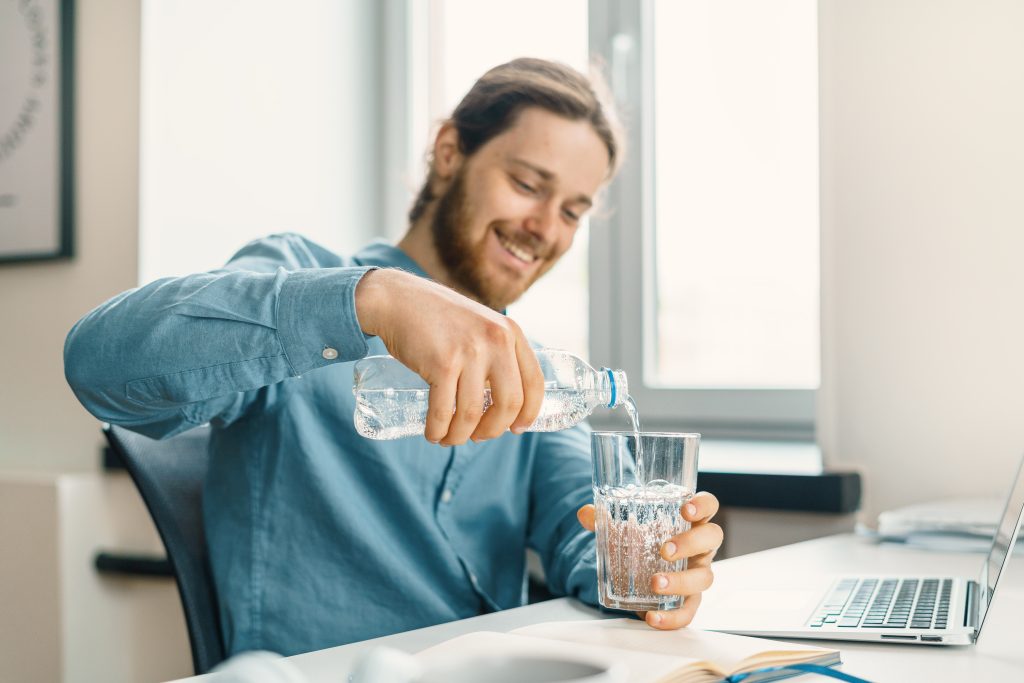
- Water, Water, Water: Obvious, yes, but critical. Sip it constantly. Don’t chug huge amounts at once, as this can make you feel more nauseous.
- Electrolyte Drinks: When you’re dehydrated, you’ve lost more than just water; you’ve lost essential minerals called electrolytes (like sodium, potassium, and magnesium) that are vital for nerve and muscle function. A sports drink (look for low-sugar options), coconut water, or an electrolyte powder mixed in water can be more effective at rehydrating you than water alone.
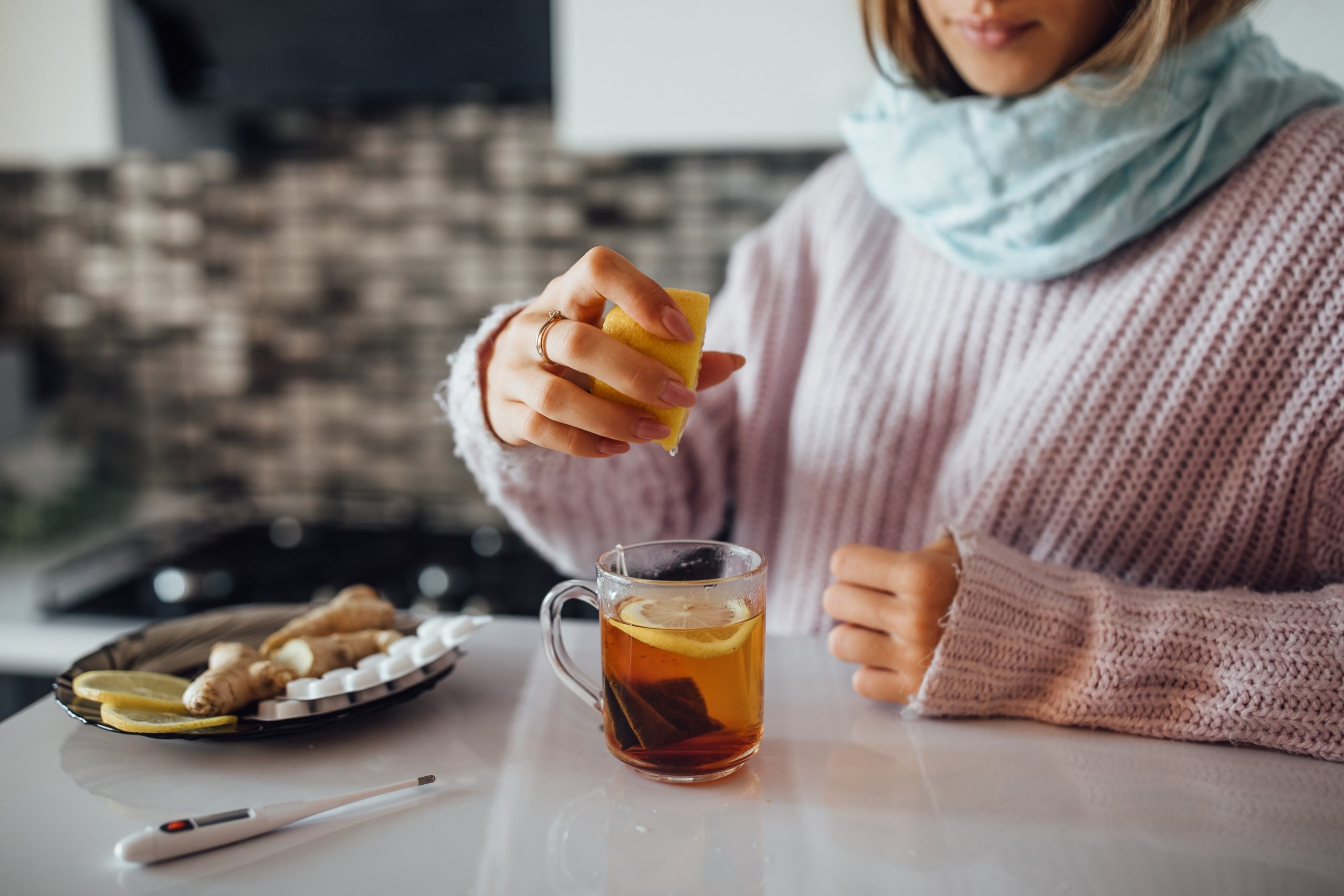
- Ginger or Peppermint Tea: Both ginger and peppermint are renowned for their stomach-soothing properties. They are natural anti-emetics, meaning they can help calm that wave of nausea.
- Bouillon or Broth: A simple cup of vegetable or chicken broth is a fantastic choice. It’s gentle on the stomach, rehydrates you, and replenishes the salt and potassium you’ve lost.
The Perfect Hangover Foods:
Your instinct might be to reach for a greasy, heavy breakfast. While that might have been a better idea before you started drinking (fat slows alcohol absorption), it can be too much for your already-irritated stomach the morning after. Instead, focus on these nutritional heroes:
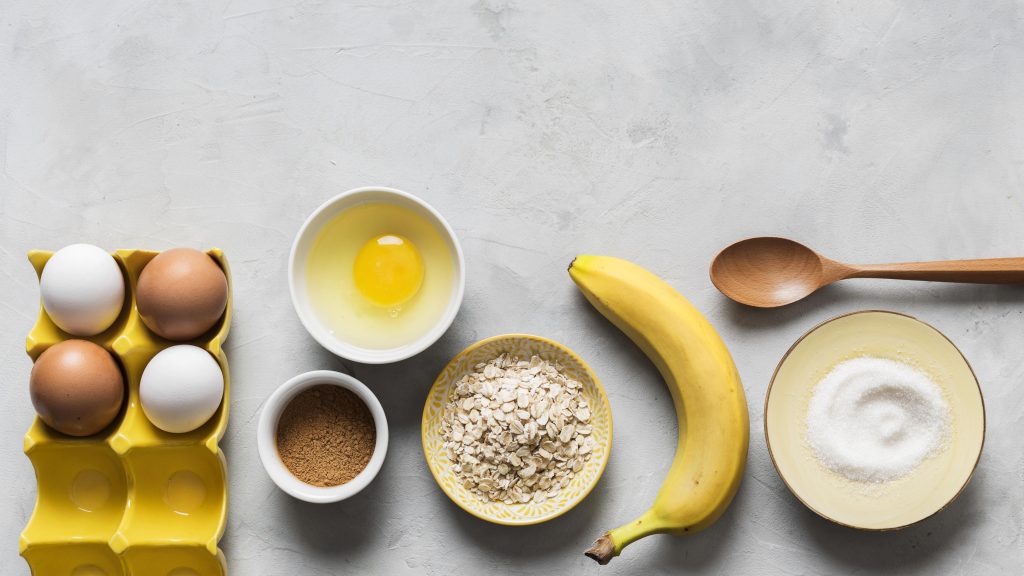
- Bananas: This is a hangover superfood. They are packed with potassium, one of the key electrolytes you lose when you drink. They are also gentle on the stomach.
- Eggs: Your liver is working hard, and eggs are here to help. They are rich in an amino acid called cysteine, which your body uses to produce the antioxidant glutathione. Glutathione helps break down that nasty acetaldehyde toxin. So, that plate of scrambled eggs is literally giving your liver the tools it needs to do its job.
- Oats: A bowl of oatmeal is a fantastic choice. It contains complex carbohydrates that provide a slow, steady release of sugar into your bloodstream to combat that shaky feeling. It also has beta-glucans, which have been shown to reduce inflammation.
- Crackers or Toast with Honey: Bland carbs are easy to digest and help bring your blood sugar up. A drizzle of honey adds easily digestible fructose, which can help your body burn off any remaining alcohol faster.
- Avocado: That avocado toast isn’t just trendy; it’s smart. Avocados are loaded with potassium and healthy fats, and studies show they contain compounds that can help protect the liver from injury.
- Watermelon: If you can stomach it, watermelon is a great choice. It’s incredibly high in water content for rehydration and is also a good source of L-citrulline, which can increase blood flow and may help with your headache.
The Medicine Cabinet: A Cautious Approach
When your head is pounding, it’s natural to reach for a pain reliever. But you need to choose wisely.
- GOOD CHOICE: NSAIDs (Non-Steroidal Anti-Inflammatory Drugs): This category includes ibuprofen (Advil, Motrin) and aspirin. These are generally a better option for a hangover because they target inflammation, a key cause of your misery.
- USE WITH EXTREME CAUTION: Acetaminophen (Tylenol): It’s highly recommended to avoid acetaminophen when you’re hungover. Your liver is already working overtime to process the alcohol. Processing acetaminophen puts additional, significant strain on your liver, and the combination can, in some cases, lead to severe liver damage. It’s not worth the risk.
The World of Hangover “Cures”: Myths, Maybes, and Miracles
Now let’s dive into the more controversial remedies.
The Big Myth: “Hair of the Dog”
- The Theory: The idea is that having another alcoholic drink the next morning will lessen your hangover symptoms.
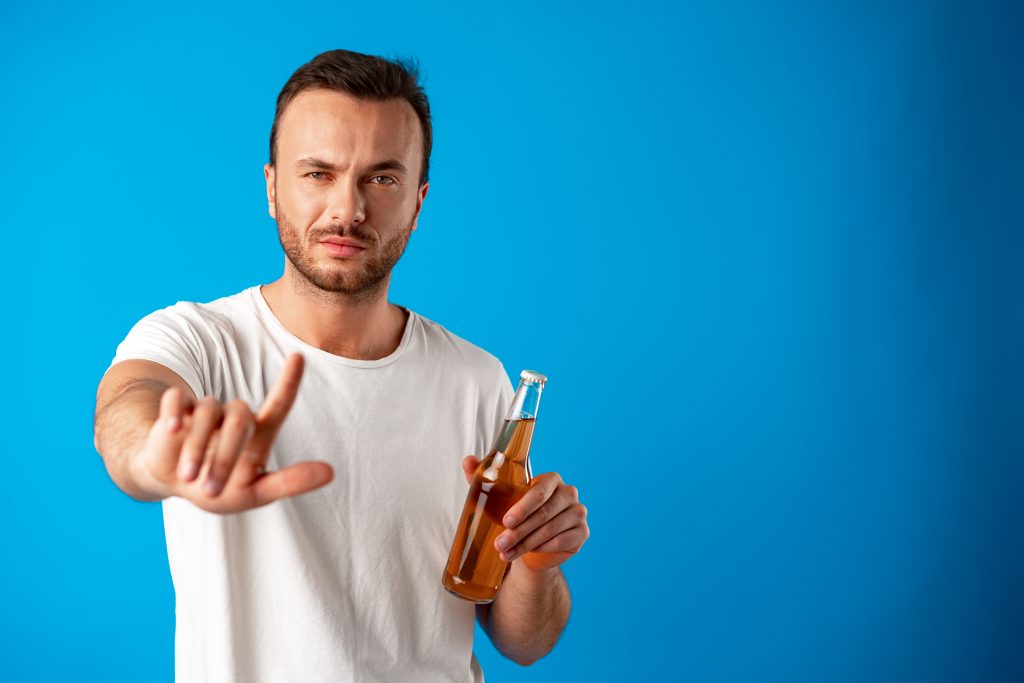
- The Reality: This is arguably the worst thing you can do. A hangover is a form of alcohol withdrawal. Having another drink might temporarily make you feel better because you’re giving your body what it’s withdrawing from, but you are simply delaying the inevitable. You’re kicking the can down the road, and the eventual hangover will likely be even worse. It’s a cycle that can lead to dangerous drinking habits. Avoid it.
The Greasy Spoon Breakfast
- The Theory: A big, greasy meal will “soak up” the alcohol.
- The Reality: This only works if you do it before you drink. Fat slows down the absorption of alcohol into the bloodstream. The morning after, the alcohol has already been absorbed. A heavy, greasy meal will most likely just irritate your sensitive stomach further and leave you feeling sluggish. Stick to the easier-to-digest foods mentioned above.
Hangover Supplements and Pills
- The Theory: These pills are packed with vitamins, herbs, and amino acids designed to arm your body against the hangover from hell.
- The Reality: As we’ve learned, there’s no “magic pill.” However, some ingredients show promise:
- Dihydromyricetin (DHM): A plant extract that may help the liver process acetaldehyde faster.
- N-acetylcysteine (NAC): The precursor to the antioxidant glutathione.
- B Vitamins: Replenishes essential nutrients lost during drinking.
- Prickly Pear Extract: May reduce the body’s inflammatory response.
- The Verdict: These pills are essentially a cocktail of the helpful supporting actors we’ve discussed. They won’t “cure” you, but they might provide your body with useful tools for recovery. The downside is they can be very expensive, and you can get many of the same benefits from thoughtful food choices and a standard multivitamin.
The IV Drip Trend
- The Theory: Bypassing your digestive system and pumping fluids, electrolytes, vitamins (like Vitamin C and B-Complex), and anti-nausea medication directly into your bloodstream is the fastest way to rehydrate and recover.
- The Reality: IV drips are extremely effective at one thing: rehydration. They will absolutely fix your dehydration faster than drinking water will. The addition of vitamins and other medications can also help you feel better.
- The Downsides: They are extremely expensive (often hundreds of dollars). They also carry small risks, like infection at the injection site. Most medical professionals agree that for a standard hangover, they are overkill. If you are able to drink fluids, oral rehydration is just as effective in the long run, much safer, and dramatically cheaper. IV drips are best reserved for severe cases where someone is unable to keep fluids down.
The Best “Cure” of All: World-Class Prevention
You knew this was coming. The only 100% guaranteed way to avoid a hangover is not to drink too much. But if you are going to indulge, you can be strategic about it.
Before You Go Out:
- Eat a Real Meal: Do not drink on an empty stomach. Eat a balanced meal that includes protein, fat, and complex carbohydrates. This will slow the absorption of alcohol and keep your blood sugar stable.
- Hydrate in Advance: Drink plenty of water throughout the day before you go out. You’re starting the night with a full tank.
While You’re Out:
- Pace Yourself: A good rule of thumb is to aim for one standard drink per hour. This gives your liver a fighting chance to keep up.
- Alternate with Water: For every alcoholic drink you have, have a glass of water. This is a total game-changer. It keeps you hydrated and slows down your drinking pace.
- Choose Your Drinks Wisely: Clear liquors like vodka, gin, and white rum generally contain fewer congeners than dark liquors like whiskey, bourbon, and dark rum. Congeners are chemical byproducts of the fermentation process, and they are believed to contribute significantly to the severity of a hangover. Red wine is also high in congeners.
- Avoid Sugary Mixers: Sugary cocktails can contribute to a sugar crash on top of your hangover, making you feel even worse.
The Final Takeaway: Be Kind to Your Future Self
There is no secret, one-shot miracle cure for a hangover. Your body has been put through its paces, and it needs gentle, sensible support to get back to its happy place.
Forget the myths and the expensive, quick-fix promises. Focus on the fundamentals:
- Rehydrate relentlessly with water and electrolytes.
- Refuel gently with nutrient-rich foods that your stomach can handle.
- Rest and give your body the precious gift of time to heal.
By understanding what your body needs and treating it with a little kindness, you can make the morning after significantly less painful. And the best remedy of all? Listening to your body tonight, so you don’t have to apologize to it tomorrow.
