
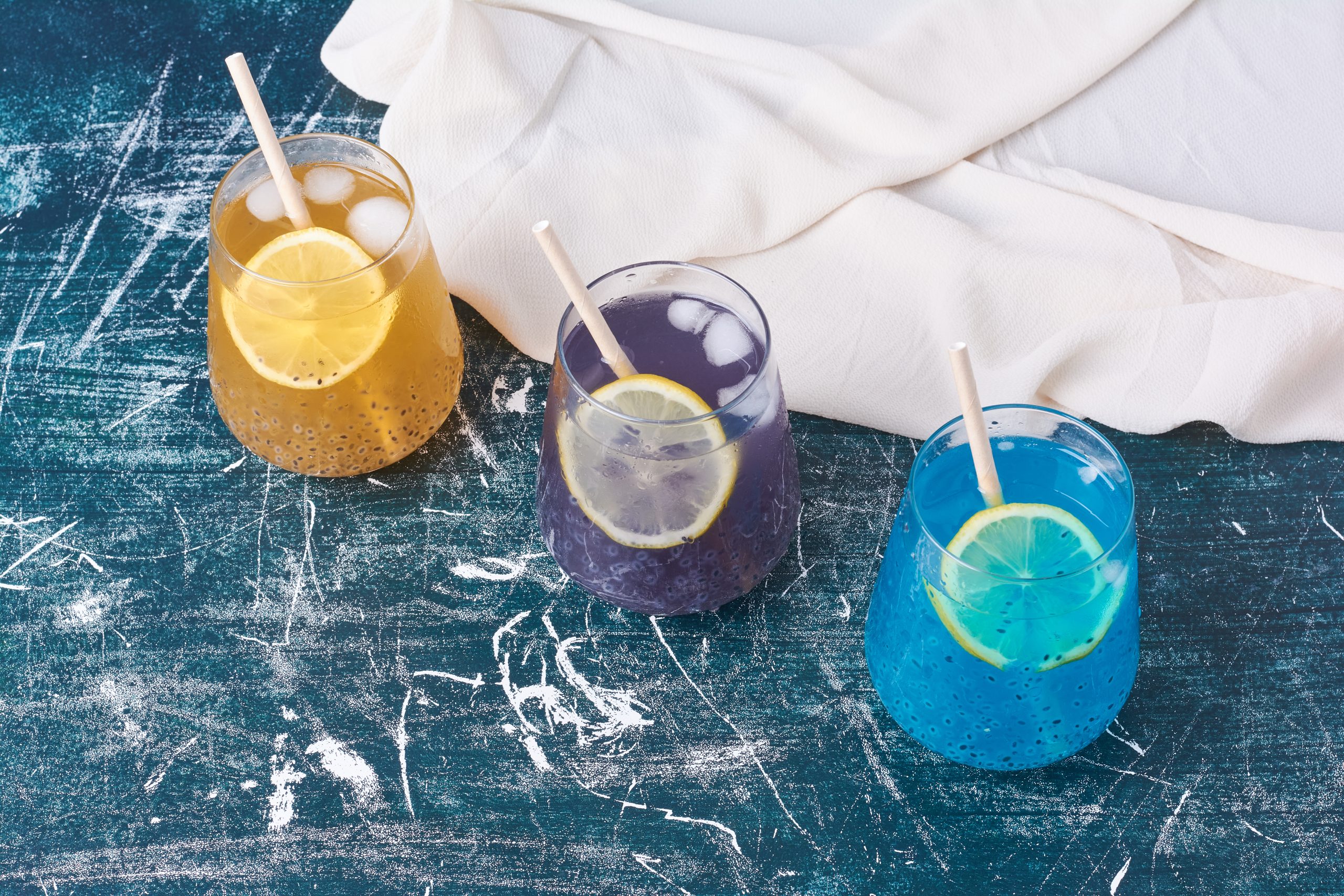
Let’s take a walk down memory lane. Not too long ago, what did you order at a bar or a party if you weren’t drinking alcohol? The choices were… uninspired. A flat soda, a sugary juice from a carton, or the ever-present, slightly apologetic “just water for me, thanks.” The world of drinks was a binary choice: you either drank alcohol, or you drank something boring.
Oh, how times have changed.
We are living in the middle of a full-blown non-alcoholic revolution. The dusty back shelf of the bar has exploded into a vibrant, creative, and delicious universe of choice. From complex, botanical-infused “spirits” and craft-brewed IPAs to sparkling wines that actually taste like wine, the non-alcoholic (NA) space is the most exciting frontier in the beverage world today.
But what’s driving this massive shift? What are all these new drinks, and are they actually any good for you?
Welcome to your ultimate guide to the world of non-alcoholic drinks. We’re going to explore the rise of the mindful drinker, break down all the different categories of NA beverages, look at the health implications, and even give you some tips for becoming a master mocktail-maker at home. So, grab a glass of something interesting (and alcohol-free!), and let’s dive in.
The “Why” Behind the Wave: The Rise of the Mindful Drinker
This isn’t just a fleeting trend; it’s a major cultural shift. The explosion of the NA market is being fueled by a powerful change in our collective mindset, particularly with the rise of the “Sober Curious” movement.
“Sober curious” doesn’t necessarily mean being completely sober. It means being more intentional about how, why, and when you drink. It’s about questioning the automatic “yes” to another round and embracing the idea that you don’t need alcohol to have a good time, to be social, or to enjoy a complex, adult-flavored beverage.
Here are the key drivers behind this movement:
- A Focus on Health and Wellness: This is the big one. People are more attuned than ever to their physical and mental well-being. The desire for better sleep, clearer mornings, less anxiety, and improved physical health is leading many to reduce their alcohol intake.
- The Pursuit of Productivity: Hangovers are productivity killers. In a world that values focus and energy, many are choosing to skip the booze to stay sharp for their careers, workouts, and personal projects.
- Inclusivity and Social Connection: The new wave of NA drinks means that everyone at the party can hold a beautiful, interesting-looking drink. It removes the social awkwardness or questioning that can sometimes come with not drinking, making social situations more comfortable and inclusive for all.
- Quality, Taste, and Variety: For decades, non-alcoholic options were a punishment. Now, they are a reward. Passionate creators are using high-quality ingredients and innovative techniques to craft drinks that are genuinely delicious and satisfying in their own right.
- A Mindful Drinking Advocate’s Take: “It’s not about restriction; it’s about expansion. People aren’t giving something up; they’re adding more to their lives – more energy, more presence, more choice. The non-alcoholic drink market has finally caught up to this mindset, giving people options that feel like a celebration, not a compromise.”
A Quick Sip of History: From Temperance to Today
While the current boom feels brand new, the concept of non-alcoholic drinks has been around for a long time. The Temperance movements of the 19th and early 20th centuries spurred the creation of many sodas and “tonics” as alternatives to alcohol. The Prohibition era in the United States (1920-1933) forced breweries to create “near-beer” (with less than 0.5% alcohol) to stay in business.
And who could forget the original mocktails? The Shirley Temple (ginger ale, grenadine, and a maraschino cherry) and the Roy Rogers (cola and grenadine) were invented in the 1930s for the famous child actors. For decades, these sugary “kiddie cocktails” were the beginning and end of the mocktail menu.
The difference today is the focus on adult palates. The new movement isn’t about creating sweet drinks for kids; it’s about crafting sophisticated, complex beverages for discerning adults who simply want to skip the alcohol.
The Universe of Choice: A Guide to the Modern NA Categories
So, what are your options today? Let’s break down the exciting new categories you’ll find on menus and store shelves.
1. The Mocktail Revolution (The Art of the Craft)
Forget the sugary concoctions of the past. The modern mocktail, or “zero-proof cocktail,” is a work of art. It’s all about balancing flavors – sweet, sour, bitter, and savory – using high-quality, fresh ingredients.
A great mocktail has the same DNA as a great cocktail:
- A Quality Base: Instead of spirits, this might be a non-alcoholic spirit, a craft soda, sparkling tea, or kombucha.
- Fresh Acidity: Freshly squeezed citrus juice (lemon, lime, grapefruit) is non-negotiable.
- Natural Sweetness: This comes from fruit purées, infused simple syrups (like rosemary or jalapeño syrup), or natural sweeteners like agave or honey.
- Complexity and Bitterness: A few dashes of non-alcoholic bitters, a splash of shrub (see below), or the inclusion of herbs like thyme, basil, or mint can add incredible depth.
- Presentation: A beautiful glass, quality ice, and a thoughtful garnish (like a dehydrated citrus wheel or a sprig of fresh herbs) make it feel like a special occasion.
2. Non-Alcoholic Beer (The Ultimate Glow-Up)
NA beer has undergone the most dramatic transformation of any category. Once the punchline of the beverage world, it’s now a craft-brewed powerhouse. Using advanced techniques like vacuum distillation (which removes alcohol at a low temperature to preserve flavor), brewers are creating NA versions of every style imaginable:
- Hazy IPAs: Bursting with juicy, tropical hop flavor.
- Rich Stouts: With notes of coffee and dark chocolate.
- Crisp Lagers & Pilsners: Perfect for a summer day.
- Fruity Sours: Tart, tangy, and incredibly refreshing.
These brews are often low in calories and can even be a good post-workout recovery drink due to their carbohydrate and electrolyte content.
3. Non-Alcoholic Wine (The Toughest Nut to Crack)
Creating a good non-alcoholic wine has always been challenging. Alcohol provides much of a wine’s body, texture, and flavor profile. Simply removing it can leave you with a thin, sweet, grape-juice-like beverage.
However, technology has improved immensely. The best producers now use high-quality, fully fermented wine and gently remove the alcohol using methods like spinning cone columns or reverse osmosis. While they may not have the exact complexity of their alcoholic counterparts, you can now find:
- Impressive Sparkling Wines: The bubbles help create texture and a festive feel. These are often the most successful NA wines.
- Crisp Whites: Look for varieties like Sauvignon Blanc and Riesling.
- Lighter-Bodied Reds: Pinot Noir and other lighter styles tend to translate better than heavy, tannic Cabernet Sauvignon.
4. Non-Alcoholic Spirits (The Game-Changer)
This is perhaps the most innovative category. NA spirits are not just flavored water; they are sophisticated botanical distillates designed to be mixed in cocktails.
- How They’re Made: Creators use techniques similar to gin production. They distill a blend of botanicals—like juniper, coriander, citrus peels, herbs, and spices—in water to capture their essential flavors and aromas.
- Important Note: These are not meant to be drunk neat. They are designed to provide the backbone and complexity of a spirit in a mixed drink. A shot of an NA gin alternative will taste like herb water. But mix it with tonic and a squeeze of lime, and suddenly you have a complex, satisfying drink that scratches the G&T itch.
- Common Types:
- Gin Alternatives: The most popular category, heavy on juniper and citrus notes.
- Whiskey/Rum Alternatives: These use botanicals and extracts to mimic the smoky, oaky, and spicy notes of dark spirits.
- Aperitifs: These mimic bitter Italian aperitifs like Campari or Aperol, perfect for making a non-alcoholic Negroni or Spritz.
5. Functional Beverages (Drinks With Benefits)
This category includes drinks that offer a potential health or wellness benefit beyond simple hydration.
- Kombucha: A fermented tea that is naturally bubbly and packed with probiotics, which are beneficial for gut health. It comes in a huge variety of flavors. (Note: Due to fermentation, kombucha often contains trace amounts of alcohol, usually below 0.5%).
- Shrubs & Drinking Vinegars: Don’t let the name scare you! A shrub is a historical drink made from fruit, sugar, and vinegar. The result is a sweet and tangy syrup that can be mixed with sparkling water to create an incredibly refreshing and complex drink.
- Adaptogenic Drinks: These are infused with adaptogens—herbs and mushrooms like ashwagandha, L-theanine, and lion’s mane—that are claimed to help the body manage stress, improve focus, or promote relaxation. The science on their effectiveness is still emerging, but they represent a growing intersection of wellness and social drinking.
The Health Check: Are Non-Alcoholic Drinks Actually Good for You?
Swapping out alcohol for an NA alternative is generally a huge win for your health. But that doesn’t mean every option is a guilt-free health tonic. Here’s a balanced look at the pros and cons.
The Big Wins (The Pros):
- Fewer Calories: This is a major benefit.
- A regular beer: ~150 calories. An NA beer: ~50-80 calories.
- A glass of wine: ~120 calories. An NA wine: ~20-40 calories.
- A gin & tonic: ~200 calories. An NA gin & tonic: ~60 calories (mostly from the tonic).
- No Hangovers: This one speaks for itself. Waking up with a clear head, ready to tackle the day, is perhaps the greatest benefit of all.
- Better Sleep: While alcohol helps you fall asleep faster, it disrupts restorative REM sleep. Skipping the booze leads to a much higher quality of sleep.
- Improved Hydration: Many NA drinks, especially mocktails made with sparkling water and NA beers, are hydrating rather than dehydrating.
- Mental Health Boost: Reducing alcohol intake can lead to lower levels of anxiety and a more stable mood for many people.
The Things to Watch Out For (The Cons):
- The Sugar Trap: This is the #1 thing to be mindful of. Many commercially produced mocktails, mixers, and sodas can be loaded with sugar. A fancy-looking mocktail could have as much sugar as a can of Coke. Always read the label. When making them at home, you have full control over the sweetness.
- The <0.5% ABV Label: In the US and many other countries, a drink can be labeled “non-alcoholic” if it contains less than 0.5% alcohol by volume. For most people, this amount is negligible. However, for individuals in recovery from alcohol use disorder, pregnant women, or those who need to avoid alcohol for religious or medical reasons, this trace amount can be a concern. It’s a personal decision, but one to be aware of.
- The Cost: Craft non-alcoholic products are not always cheap. The production process for high-quality NA spirits and wines is complex and expensive, and the price often reflects that.
A Nutritionist’s Note: “Look at a non-alcoholic drink the same way you would any other food or beverage. Check the nutrition label. The key things to watch for are ‘Added Sugars’ and sodium content. Aim for drinks that get their flavor from natural sources like real fruit, herbs, and spices, not from a long list of artificial ingredients and sweeteners.”
Your At-Home Bar: A Simple Guide to Making Great NA Drinks
You don’t need to be a professional mixologist to create amazing non-alcoholic drinks at home. Just focus on a few key principles:
- Start with Quality Ingredients: Freshly squeezed juice will always beat the stuff from a carton. Fresh herbs (mint, basil, rosemary) add incredible aroma and flavor.
- Master Simple Syrup: Equal parts sugar and hot water, stirred until dissolved. That’s it. You can then infuse it with anything: ginger, citrus peels, chilis, lavender—the possibilities are endless.
- Ice is an Ingredient: Use large, clear ice cubes. They melt slower, keeping your drink cold without watering it down as quickly.
- Balance is Key: A great drink balances sweet and sour. A common ratio is 2 parts base, 1 part sour (like lime juice), and ¾ part sweet (like simple syrup). Adjust to your taste.
- Don’t Forget the Garnish: A simple twist of lemon peel, a sprig of mint, or a few berries can elevate your drink from good to great. It signals to your brain that you’re having something special.
Choice is The Future of Drinking
The rise of non-alcoholic drinks is one of the most positive and exciting shifts in our culture. It’s a move away from an all-or-nothing approach to a more mindful, inclusive, and personalized way of socializing and celebrating.
It’s about having the freedom to choose what’s right for you at any given moment, without pressure or judgment. Whether you’re sober for life, sober for the night, or just pacing yourself during a long evening, you now have a universe of complex, delicious, and interesting options waiting for you.
So go ahead, explore that NA aisle. Ask the bartender about their zero-proof cocktails. The revolution is here, and it tastes fantastic. Cheers to choice!
