
Hey there, and welcome. Today, we’re going to have a heart-to-heart about something that’s often whispered about but not always understood: the “alcohol syndrome face.” It’s a term that might sound clinical or even a little harsh, but behind it are real people, real stories, and a whole lot of heart. This isn’t just a medical blog post; it’s a conversation. We’re going to unpack what this term means, explore the broader world of Fetal Alcohol Spectrum Disorders (FASD), and, most importantly, celebrate the lives and experiences of those who live with it.
So grab a cup of tea, get comfortable, and let’s embark on this journey together. We’ll use simple language, share personal stories, and hopefully, come away with a deeper sense of empathy and understanding. Because when we know better, we can do better.
What Exactly is the “Alcohol Syndrome Face”?
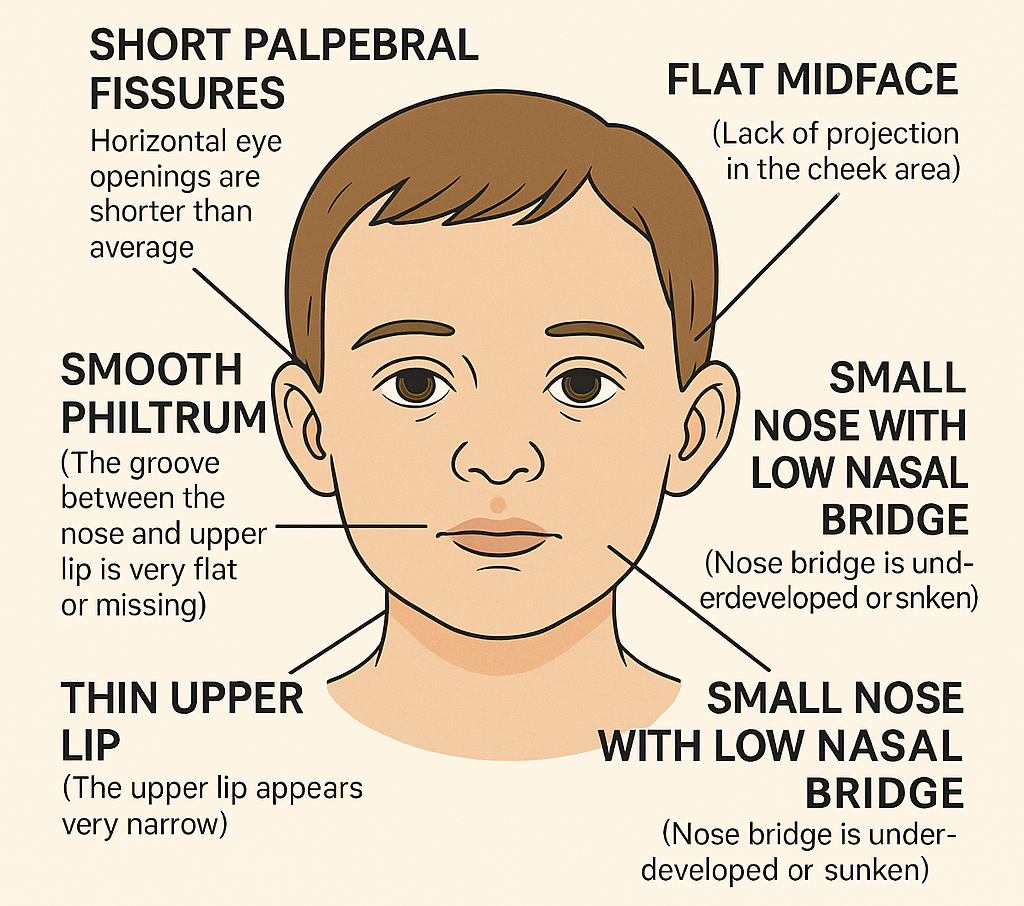
Let’s start with the basics. The term “alcohol syndrome face” is a colloquial way of describing the distinct facial characteristics that can be a hallmark of Fetal Alcohol Syndrome (FAS), the most severe form of FASD. It’s important to remember that not everyone with FASD will have these features, but they can be a key indicator for doctors.
So, what are these features? They typically include:
- A smooth philtrum: That’s the groove between the nose and the upper lip. In individuals with FAS, this area is often flat.
- A thin upper lip: The upper lip can be noticeably thinner than average.
- Small palpebral fissures: This is a more technical term for small eye openings.
It’s crucial to understand that these features are the result of alcohol exposure during a critical period of fetal development. They are not a reflection of a person’s character or abilities. They are simply physical markers of a prenatal injury.
“People see the face, but they don’t see the story. They don’t see the struggles, the triumphs, the person behind the diagnosis.” – A mother of a child with FAS.
Beyond the Face: Understanding Fetal Alcohol Spectrum Disorders (FASD)
Now, let’s zoom out a bit. The “alcohol syndrome face” is just one piece of a much larger puzzle called Fetal Alcohol Spectrum Disorders, or FASD. Think of FASD as an umbrella term for a range of effects that can occur in an individual whose mother drank alcohol during pregnancy.
It’s a spectrum for a reason. The impact of prenatal alcohol exposure can vary greatly from person to person. Some individuals may have the distinct facial features of FAS, while others may not. But the challenges they face are very real and can include:
- Brain-based differences: This is the most significant and often invisible aspect of FASD. It can affect learning, memory, attention, judgment, and impulse control.
- Growth deficiencies: Individuals with FASD may be smaller in height and weight than their peers.
- Central nervous system problems: This can manifest as problems with coordination, balance, and sensory processing.
- Behavioral and social challenges: Making and keeping friends, understanding social cues, and regulating emotions can be difficult.
- Secondary conditions: Without the right support, individuals with FASD are at a higher risk for mental health issues, trouble with the law, and difficulties with employment and independent living.
It’s a complex and lifelong disability. But with the right understanding and support, individuals with FASD can and do lead fulfilling lives.
The “Why” Behind It All: How Alcohol Affects a Developing Baby
You might be wondering, “How does this happen?” When a pregnant person drinks alcohol, it easily passes through the placenta to the developing baby. A baby’s liver isn’t fully developed and can’t process alcohol in the same way an adult’s can. This means the alcohol stays in the baby’s system for a longer period, acting as a teratogen – a substance that can cause birth defects.
The impact of alcohol depends on several factors, including:
- The amount of alcohol consumed: There is no known safe amount of alcohol to drink during pregnancy.
- The timing of the alcohol consumption: The first trimester is a particularly vulnerable time for facial development, but alcohol can cause brain damage at any point during pregnancy.
- The pattern of drinking: Binge drinking is especially harmful.
This isn’t about placing blame. It’s about understanding the science and raising awareness to prevent future cases of FASD.
Real Stories, Real Lives: Voices from the FASD Community
The best way to understand FASD is to listen to the people who live with it every day. Their stories are filled with resilience, strength, and a whole lot of love.
Meet Sarah, a young adult with FASD:
“Growing up was tough. I always felt a little different. I struggled in school, especially with math and making friends. My diagnosis of FASD in my late teens was a lightbulb moment. It wasn’t that I wasn’t trying hard enough; my brain just works differently. Now, I have strategies that help me. I use a lot of reminders, break down big tasks into smaller steps, and I’m not afraid to ask for help. My art is my therapy and my passion. It’s where I can truly express myself without words.”
John, father to a son with FASD:
“When our son was diagnosed, we went through a period of grief and fear. But then we shifted our focus to understanding and advocating for him. We learned to celebrate his strengths. He’s the most compassionate and determined person I know. Yes, there are challenges. We have to be his ‘external brain’ sometimes, helping him navigate social situations and manage his daily routines. But the joy and love he brings to our lives are immeasurable.”
These are just two of countless stories. They remind us that behind every diagnosis is a unique individual with their own set of strengths, challenges, and dreams.
Debunking the Myths: What We Need to Get Right About FASD
There’s a lot of misinformation out there about FASD. Let’s clear up some of the most common myths:
- Myth #1: You can tell someone has FASD just by looking at them.
- Fact: The vast majority of individuals with FASD do not have the distinct facial features of FAS. It’s often called an “invisible disability.”
- Myth #2: FASD is a rare condition.
- Fact: Research suggests that FASD may be more common than autism spectrum disorder. It’s often underdiagnosed or misdiagnosed.
- Myth #3: People with FASD can’t lead successful lives.
- Fact: With the right support and accommodations, individuals with FASD can thrive. They have unique talents and can make valuable contributions to their communities.
- Myth #4: FASD is a result of a mother intentionally harming her child.
- Fact: Many women are unaware of the risks of drinking during pregnancy or may be struggling with addiction. This is a public health issue that requires compassion and support, not judgment.
The Power of Diagnosis and Early Intervention
Getting a diagnosis of FASD can be a long and challenging process, but it’s a crucial first step. A diagnosis can provide answers and open the door to a world of support and understanding. It’s not about labeling a person; it’s about identifying their unique needs and creating a plan for success.
Early intervention is key. The sooner a child with FASD receives support, the better their long-term outcomes are likely to be. This can include:
- Specialized education plans: To address learning challenges.
- Therapies: Such as speech therapy, occupational therapy, and physical therapy.
- Behavioral interventions: To help with impulse control and social skills.
- Parent and caregiver training: To provide families with the tools and strategies they need.
Living with FASD: Challenges and Strengths
Life with FASD can be a rollercoaster. There are daily challenges that require patience, creativity, and a whole lot of love. But there are also incredible strengths that deserve to be celebrated.
Common Challenges:
- Memory issues: Difficulty remembering instructions, appointments, and even things they’ve learned.
- Sensory overload: Being easily overwhelmed by bright lights, loud noises, and crowded spaces.
- Difficulty with abstract concepts: Things like time, money, and consequences can be hard to grasp.
- Impulsivity: Acting without thinking, which can lead to difficulties in social situations and with the law.
- Emotional regulation: Big emotions that can be hard to manage.
Common Strengths:
- Creativity: Many individuals with FASD are incredibly artistic, musical, and imaginative.
- Empathy and compassion: They often have a deep sense of caring for others.
- Determination and resilience: They have to work harder than most to navigate the world, and this builds incredible strength of character.
- Loyalty and kindness: They are often described as having big hearts.
- A unique way of seeing the world: Their different brain wiring can lead to out-of-the-box thinking and problem-solving.
Practical Strategies for Daily Life
For individuals with FASD and their families, developing practical strategies is key to navigating daily life successfully. Here are a few things that can make a big difference:
- Routine and structure: Predictable routines can help reduce anxiety and create a sense of security.
- Clear and simple communication: Use concrete language and give one instruction at a time.
- Visual aids: Checklists, picture schedules, and visual timers can be incredibly helpful for memory and organization.
- A “brain-friendly” environment: Minimize clutter and distractions to create a calm and focused space.
- Patience and repetition: It may take longer for individuals with FASD to learn and retain new information.
- Focus on strengths: Build on their talents and interests to boost self-esteem and create a sense of purpose.
- Self-care for caregivers: It’s essential for parents and caregivers to have their own support system and take time for themselves.
Building a Supportive Community
No one should have to navigate the world of FASD alone. Building a strong support network is essential for both individuals with the disability and their families. This can include:
- FASD support groups: Connecting with others who “get it” can be incredibly validating and empowering.
- Online communities and forums: A great way to share experiences and find resources.
- Knowledgeable professionals: Finding doctors, therapists, and educators who are trained in FASD can make all the difference.
- Friends and family who are willing to learn: Educating your inner circle can create a more understanding and supportive environment.
A Message of Hope and a Call to Action
The journey of understanding the “alcohol syndrome face” and FASD is one that leads us to a place of greater compassion and a deeper appreciation for the diversity of the human experience. It’s a reminder that we are all more than our diagnoses.
For those living with FASD, know that you are not alone. Your strengths are real, your challenges are understood, and your future is bright.
For the rest of us, let’s commit to being a more informed and supportive community. Let’s challenge the stigma, advocate for better resources, and spread the message of prevention. Because every child deserves the best possible start in life.
The most important takeaway? There is no known safe amount of alcohol to drink during pregnancy. By sharing this message, we can help prevent FASD and create a healthier future for generations to come.
