
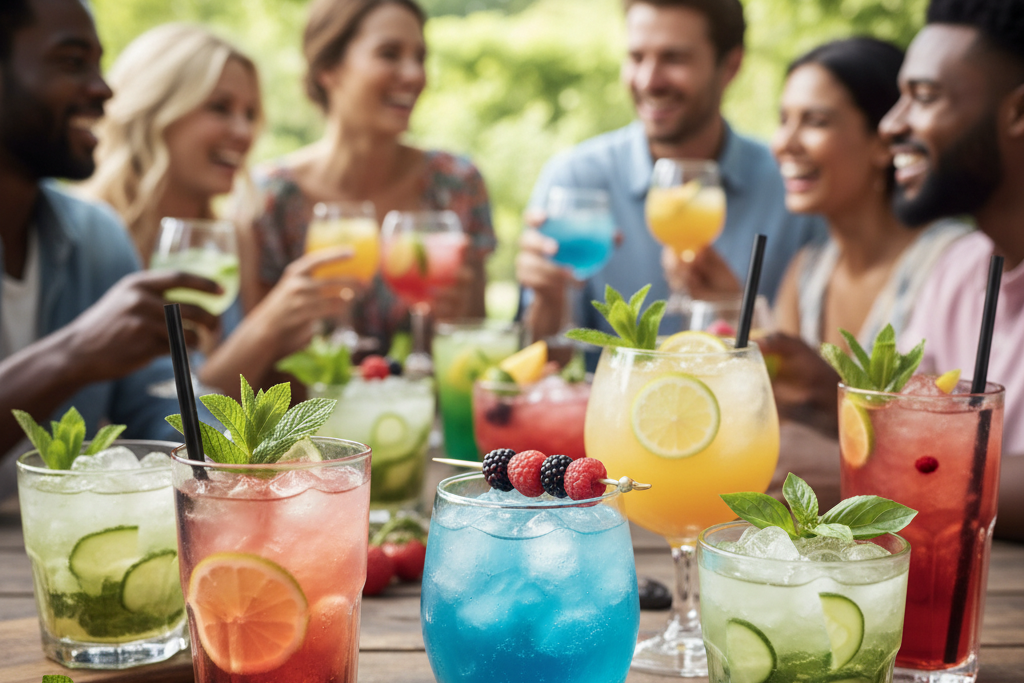
The landscape of modern beverages has undergone a sophisticated evolution. Driven by the global rise of mindful drinking and a growing demand for inclusive, high-quality options, the mocktail has been elevated from a simple afterthought to a celebrated craft in its own right. Today, the creation of exceptional non-alcoholic mocktails recipes mirrors the precision and creativity of traditional mixology. It relies on a foundation of balanced flavors, premium ingredients, and proper technique to deliver a truly satisfying and complex drinking experience.
This article serves as an authoritative guide to the world of sophisticated non-alcoholic beverages. We will delve into the foundational principles of flavor construction, outline the essential components for a well-stocked non-alcoholic bar, and provide a curated selection of refined recipes. Furthermore, we will explore the professional techniques that separate a memorable mocktail from a simple mixed juice, ensuring you have the knowledge to create exceptional drinks for any occasion.
The Foundational Principles of Modern Mixology
At its core, a superior beverage—alcoholic or not—is an exercise in balance. The art of the mocktail is not about imitation, but about creating a complete sensory experience using a different set of tools. Therefore, understanding the core principles of mixology is paramount.
First and foremost is the principle of flavor balance. A well-crafted drink harmonizes several key elements, primarily the interplay of sweet and sour. Sweetness, derived from syrups, fruits, or liqueurs, must be counteracted by acidity from citrus juices or shrubs to avoid a cloying taste. Subsequently, introducing bitter, spicy, or herbaceous notes adds layers of complexity and depth that stimulate the palate.
In addition, texture and mouthfeel are critical. The viscosity of a syrup, the effervescence of a quality soda, or the silky foam from shaken aquafaba can transform a drink’s character. Finally, aromatics play a vital role. The scent of a fresh citrus peel garnish or muddled herbs is the first impression a drink makes, significantly influencing its overall flavor perception.
Essential Components for a Superior Mocktail Bar
Creating sophisticated non-alcoholic beverages requires moving beyond basic carton juices and sodas. Building a small collection of quality components will dramatically elevate your creations. A well-considered inventory is the key to unlocking complex and satisfying non-alcoholic mocktails recipes.
- High-Quality Base Liquids: This is non-negotiable. Always use freshly squeezed citrus juices—primarily lemon and lime—as their vibrant acidity is impossible to replicate from concentrate. Invest in premium tonic waters, club sodas, and ginger beers that have a fine carbonation and are not overly sweet.
- Complex Syrups: A house-made simple syrup (a 1:1 ratio of sugar and water) is essential. However, one can easily introduce complexity by infusing these syrups with ingredients like fresh ginger, rosemary, thyme, cinnamon, or star anise.
- Bitters and Shrubs: Non-alcoholic bitters are concentrated infusions of botanicals that add profound depth and a balancing bitter note to a drink. Similarly, shrubs—vinegar-based fruit syrups—provide a bright, acidic complexity that is distinct from citrus.
- Fresh Herbs and Produce: Fresh mint, basil, and rosemary are fundamental for muddling and garnishing. High-quality, seasonal fruits provide the best flavor for purees and infusions.
- The Rise of Non-Alcoholic Spirits: A rapidly growing category, these products are designed to mimic the flavor profiles of gin, whiskey, rum, and aperitifs without the alcohol. They can serve as a direct and complex base for more advanced mocktails.
A Curated Selection of Non-Alcoholic Mocktails Recipes
The following recipes are designed to showcase different techniques and flavor profiles, providing a foundation for your own experimentation. Each recipe is structured for clarity and professional execution.
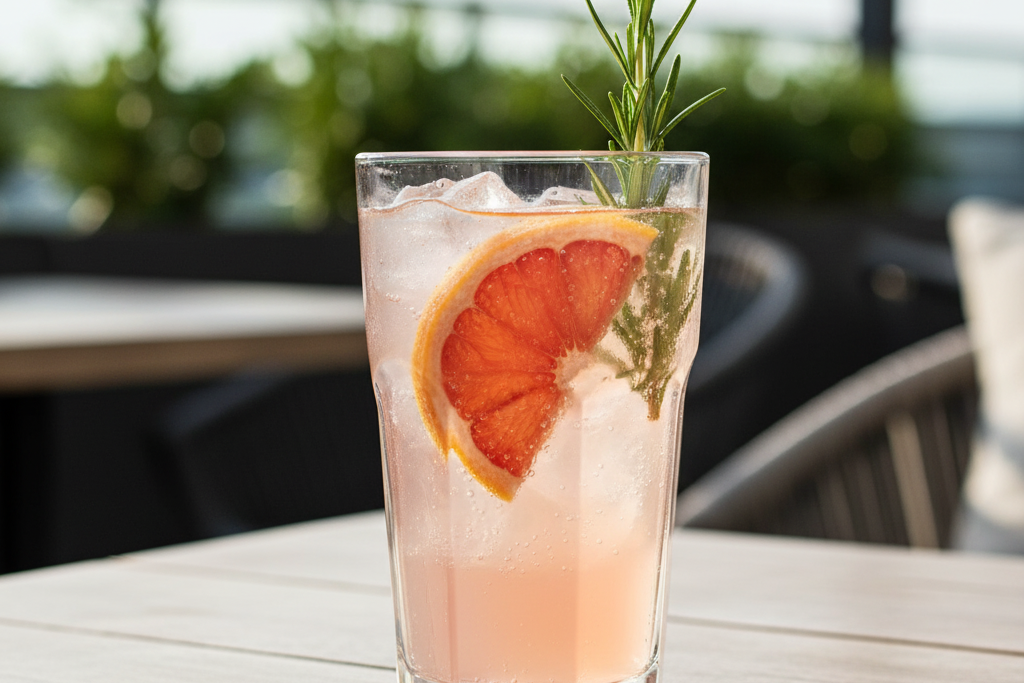
The Rosemary-Grapefruit Spritz
This is a bright, herbaceous, and visually appealing mocktail that is perfect for any celebratory occasion. The rosemary syrup adds a sophisticated, piney note that complements the bittersweet grapefruit.
- Ingredients:
- 60 ml (2 oz) Freshly Squeezed Grapefruit Juice
- 20 ml (0.75 oz) Rosemary Simple Syrup*
- 100 ml (approx. 3.5 oz) Chilled Club Soda or Non-Alcoholic Sparkling Wine
- Garnish: Fresh Rosemary Sprig and a Grapefruit Twist
- Instructions (Numbered List):
- Fill a large wine glass or Collins glass with large ice cubes.
- Add the fresh grapefruit juice and rosemary syrup to the glass.
- Stir gently to combine and chill the ingredients.
- Top slowly with the chilled club soda or sparkling wine.
- Garnish with a fresh sprig of rosemary and express the oils from a grapefruit twist over the drink before placing it in.
- *Rosemary Simple Syrup: Gently heat 1 cup of water and 1 cup of sugar until the sugar dissolves. Add 3-4 sprigs of fresh rosemary and let it infuse for at least one hour. Strain and cool.
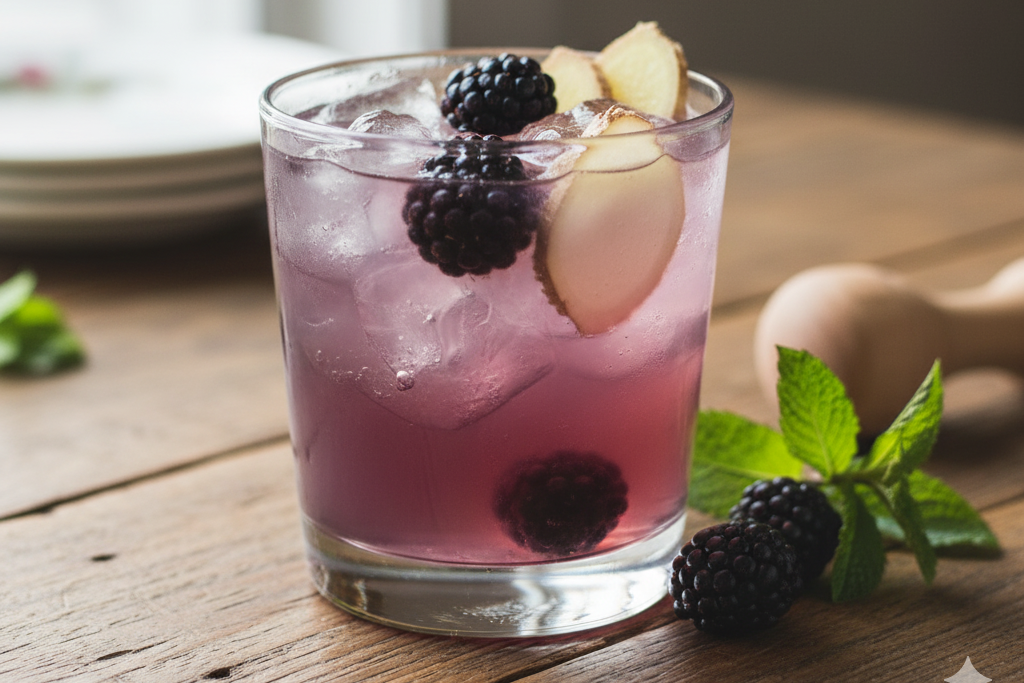
The Blackberry-Ginger Smash
A vibrant and spicy mocktail with a deep, complex flavor. The muddling technique is key to releasing the full potential of the fresh ingredients.
- Ingredients:
- 6-8 Fresh Blackberries
- 2-3 Thin Slices of Fresh Ginger
- 20 ml (0.75 oz) Freshly Squeezed Lime Juice
- 15 ml (0.5 oz) Simple Syrup (adjust to taste)
- 60 ml (2 oz) Chilled Ginger Ale or Ginger Beer
- Garnish: Fresh Blackberries and a Lime Wheel
- Instructions (Numbered List):
- In a sturdy shaker tin, combine the fresh blackberries and ginger slices.
- Gently muddle the ingredients to release their juices and oils. Do not pulverize them.
- Add the lime juice, simple syrup, and a generous amount of ice to the shaker.
- Shake vigorously for 12-15 seconds until well-chilled.
- Double-strain the mixture through a Hawthorne strainer and a fine-mesh strainer into a rocks glass filled with fresh ice.
- Top with the ginger ale or ginger beer and garnish.
Essential Techniques for Professional Results
The difference between an amateur and a professional-tasting mocktail often lies in the technique. Mastering a few key skills is essential.
First, understand the difference between shaking and stirring. You should shake a drink when it contains citrus, fruit purees, or other opaque ingredients. The purpose of shaking is to chill, dilute, and aerate the drink, creating a lighter, frothier texture. Conversely, you should stir a drink that is composed of clear ingredients, such as syrups and non-alcoholic spirits. Stirring provides chilling and dilution with minimal aeration, resulting in a smooth, silky texture.
Second, the importance of quality ice cannot be overstated. Use large, solid ice cubes, as they melt more slowly, providing optimal chilling with controlled dilution. Small, cloudy ice melts quickly and will result in a watery, unbalanced drink.
“The mocktail is no longer about what’s being left out; it’s about what’s being put in. It’s about showcasing incredible ingredients with the same care and technique as a classic cocktail.”
— Julia Bainbridge, author of “Good Drinks”
Common Mistakes to Avoid in Mocktail Creation
- Over-Sweetness: This is the most common flaw. A great mocktail must have balance. Always ensure there is enough acidity (from citrus or shrubs) or bitterness to counteract the sugar.
- Using Low-Quality Ingredients: Using bottled, from-concentrate juices or flat, overly sweet sodas will invariably lead to a disappointing result. Freshness is paramount.
- Neglecting the Garnish: A garnish is not merely decorative; it is a critical aromatic component. A citrus twist expressed over the drink or a freshly slapped mint sprig awakens the senses before the first sip.
- Improper Dilution: Shaking or stirring is not just for chilling; it is for adding a precise amount of water from the melting ice, which softens and marries the flavors. Following instructions on shake/stir times is crucial.
Conclusion
The art of creating memorable non-alcoholic mocktails recipes has firmly moved into the realm of craft mixology. By embracing the foundational principles of balance, utilizing high-quality and complex ingredients, and mastering essential techniques, anyone can produce sophisticated beverages that are satisfying and complete in their own right. The modern mocktail is a celebration of flavor, creativity, and inclusivity, proving that a memorable drinking experience does not require alcohol. We encourage you to use these principles and recipes as a starting point to explore this exciting and evolving world of non-alcoholic beverages.
