
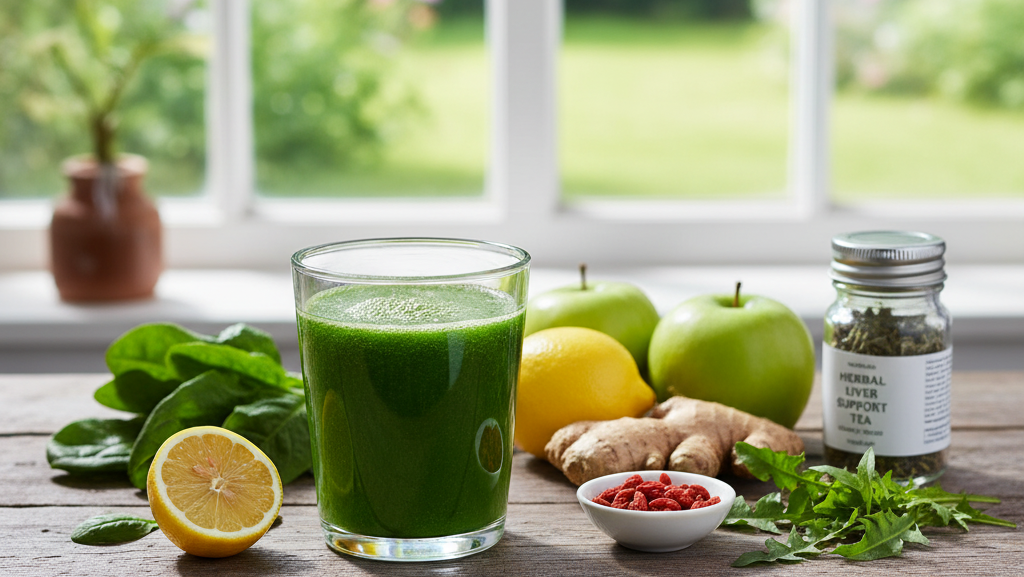
In the contemporary wellness landscape, the concept of a liver detox has gained significant traction, promoted through a vast market of supplements, diets, and cleanses that promise to purify the body and restore vitality. This trend is fueled by concerns over environmental toxins, dietary habits, and the desire for a quick solution to complex health issues. However, a critical examination from a medical and physiological standpoint is necessary to separate marketing claims from scientific reality. The liver is, by nature, a masterful detoxification organ, operating continuously and efficiently without the need for commercial interventions.
This article provides an authoritative, in-depth analysis of the liver detox concept. We will explore the liver’s natural detoxification processes, critically evaluate the claims made by commercial detox products, and present evidence-based, sustainable strategies for genuinely supporting long-term liver health. The goal is to empower readers with factual information to make informed decisions about their well-being, focusing on proven science over popular fiction.
Understanding the Liver’s Natural Detoxification Processes
Before evaluating external “detox” methods, it is essential to understand the liver’s innate and powerful capabilities. The liver is the body’s primary metabolic and detoxification center, a sophisticated biological factory working 24/7 to process everything an individual consumes, breathes, or absorbs through the skin. This natural purification process is primarily managed by a two-phase system.
- Phase I Detoxification: In this initial phase, a group of enzymes known as the Cytochrome P450 family chemically transforms harmful, fat-soluble toxins into less harmful, intermediate substances. This process, called oxidation, reduction, or hydrolysis, prepares the toxins for the next phase.
- Phase II Detoxification: The intermediate substances created in Phase I can sometimes be more reactive than the original toxin. Phase II, through a process called conjugation, neutralizes these substances by attaching them to other molecules. This makes them water-soluble and non-toxic, allowing the body to safely excrete them via urine or bile.
This two-phase system is incredibly efficient in healthy individuals. It effectively processes metabolic waste, medications, alcohol, and environmental pollutants. The notion that toxins “build up” in the liver and require a “flush” is a fundamental misunderstanding of this continuous and highly effective physiological process.
Analyzing the Claims of Commercial Liver Detox Products

The market for liver cleanses and detox supplements is substantial, yet it operates in a largely unregulated space. From a scientific perspective, the claims made by these products are generally unsupported by robust clinical evidence and can, in some cases, pose health risks.
- Lack of Scientific Validation: The vast majority of commercial liver detox kits, pills, and teas have not been subjected to rigorous, placebo-controlled clinical trials to prove their efficacy or safety. The claims are often based on anecdotal evidence or misinterpreted in-vitro (test tube) studies.
- Potential for Harm: Unregulated supplements can contain unlisted ingredients, interact with prescription medications, or be contaminated. Some aggressive detox diets and juice fasts can lead to nutrient deficiencies, electrolyte imbalances, and dehydration.
- The Myth of “Flushing Toxins”: Many detox programs claim to “flush” the liver. However, there is no medical basis for this concept. The liver is not a storage tank for toxins; it is a processing plant. A healthy liver efficiently neutralizes and expels harmful substances as they are encountered.
- Misleading Marketing: The language used to promote these products often employs vague, non-scientific terms such as “purify,” “cleanse,” “revitalize,” and “reset.” These terms lack clear medical definitions and are designed to appeal to a desire for a quick fix rather than to describe a specific physiological benefit.
Evidence-Based Strategies to Genuinely Support Liver Health
While the concept of a quick “detox” is a myth, it is entirely possible and highly beneficial to support the liver’s natural functions through proven, sustainable lifestyle choices. The most effective approach is not a temporary cleanse but a long-term commitment to a healthy lifestyle.
Adopt a Liver-Friendly Diet
Nutrition plays a direct role in liver function. A balanced diet provides the essential nutrients the liver needs for its detoxification pathways.
- Cruciferous Vegetables: Broccoli, cauliflower, Brussels sprouts, and kale contain compounds that support Phase II detoxification enzymes.
- Antioxidant-Rich Foods: Berries, nuts, and leafy greens are rich in antioxidants that protect liver cells from damage caused by free radicals during the detoxification process.
- Lean Protein and Healthy Fats: Adequate protein is necessary for producing detoxification enzymes. Healthy fats, such as those in avocados, olive oil, and fatty fish, help reduce inflammation.
- Limit Processed Foods: Diets high in processed sugars, unhealthy fats, and refined carbohydrates can contribute to non-alcoholic fatty liver disease (NAFLD), a leading cause of liver dysfunction.
Limit or Eliminate Liver-Damaging Substances
The most powerful way to “detox” the liver is to reduce its workload by minimizing its exposure to harmful substances.
- Alcohol: Alcohol is a direct hepatotoxin. Excessive consumption is a primary cause of fatty liver, alcoholic hepatitis, and cirrhosis. Moderating or eliminating alcohol is the single most effective action for liver health.
- Medications: Use medications, including over-the-counter pain relievers like acetaminophen, only as directed. Unnecessary or excessive medication use places a significant metabolic burden on the liver.
A Practical Guide to a Liver-Supportive Lifestyle
Transitioning from the idea of a temporary detox to a permanent lifestyle of liver support can be achieved through several actionable steps.
- Prioritize a Balanced, Whole-Foods Diet: Focus on consuming a diverse range of fruits, vegetables, whole grains, lean proteins, and healthy fats.
- Maintain Adequate Hydration: Drinking sufficient water throughout the day supports kidney function, which is essential for excreting the water-soluble toxins processed by the liver.
- Engage in Regular Physical Activity: Exercise helps maintain a healthy body weight, reducing the risk of NAFLD. It also improves insulin sensitivity and reduces liver inflammation.
- Practice Mindful Alcohol Consumption: If you choose to drink alcohol, do so in strict moderation, adhering to established public health guidelines.
- Use Supplements Wisely: While herbs like milk thistle have been studied for liver support, their efficacy is not definitively proven. Always consult a healthcare professional before starting any new supplement.
- Maintain a Healthy Body Weight: Obesity is a major risk factor for NAFLD. Achieving and maintaining a healthy weight through diet and exercise is crucial for long-term liver health.
“The liver is a very resilient organ. It is not necessary to buy expensive cleanses or detoxes. The best way to take care of your liver is to treat your body well every day.”
— Dr. Tinsay Woreta, M.D., M.P.H., Hepatologist at Johns Hopkins Medicine
When to Seek Professional Medical Advice
It is critical to distinguish between general wellness and a medical condition. Self-treating with a “detox” can be dangerous if an underlying liver problem exists. Consult a physician if you experience persistent symptoms such as:
- Jaundice (yellowing of the skin and eyes)
- Chronic fatigue
- Abdominal pain and swelling
- Dark urine or pale stool
- Nausea or vomiting
These can be signs of a serious liver condition that requires professional medical diagnosis and treatment.
Conclusion
The concept of a commercial liver detox is largely a marketing construct that oversimplifies and often misrepresents the complex physiology of the human body. The liver is an inherently self-cleaning organ, and the most effective way to support its function is not through short-term, unproven cleanses, but through consistent and evidence-based lifestyle choices. A balanced diet, regular physical activity, moderation of alcohol, and maintaining a healthy weight are the cornerstones of genuine liver wellness. By focusing on these sustainable habits, individuals can effectively support their body’s natural detoxification systems and promote optimal health for the long term. For any specific health concerns, professional medical consultation remains the only responsible course of action.
