
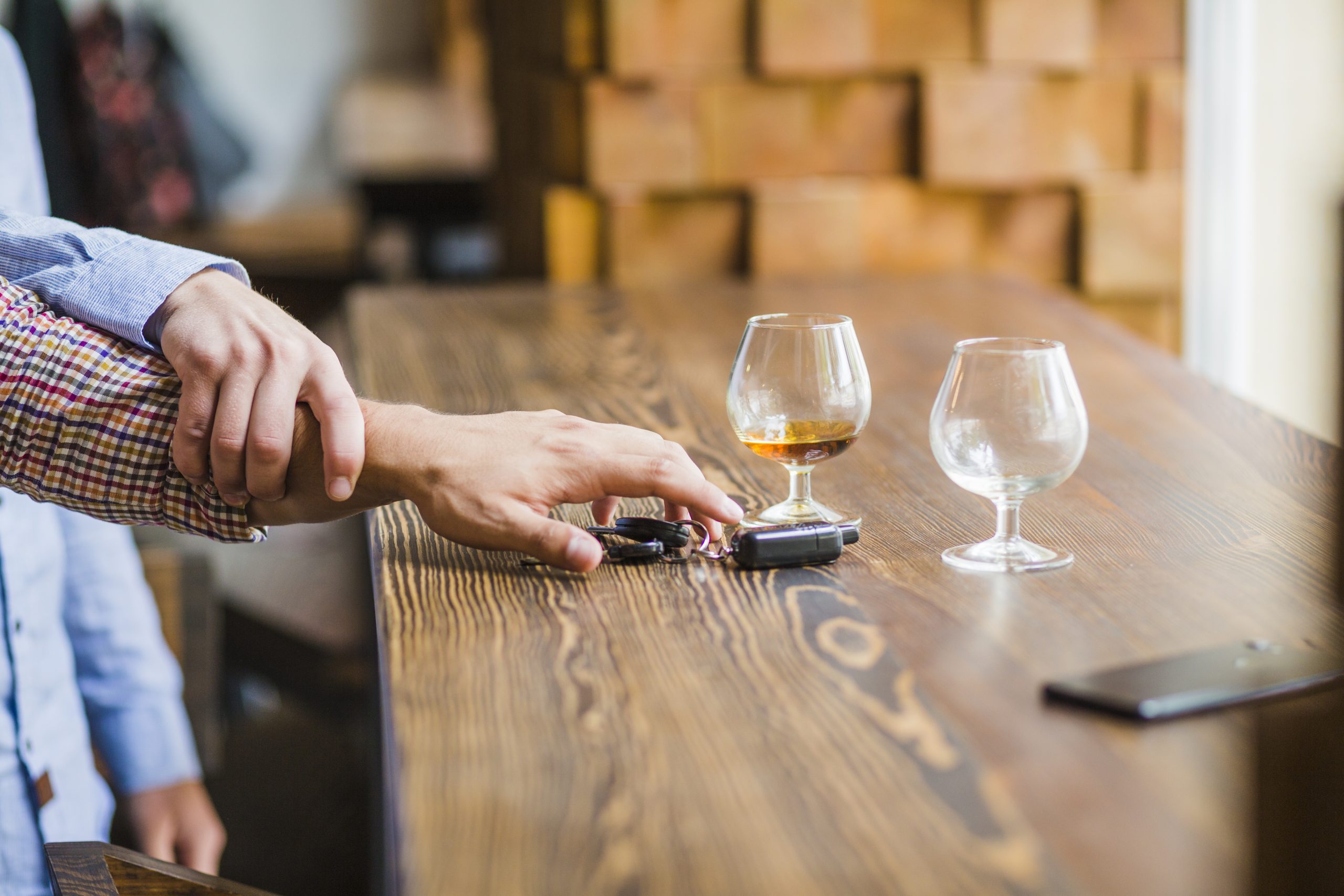
Let’s talk about the morning after. Or maybe it’s the afternoon after a boozy brunch, or two days after a wedding celebration. You’re feeling back to normal (mostly), but a nagging question pops into your head: “Is all that alcohol really gone?”
It’s one of the most common questions people type into Google or AI chat, and it’s driven by a mix of curiosity, anxiety about work, concerns about driving, or upcoming medical tests. How long does that cocktail, beer, or glass of wine actually hang around inside your body?
The answer, like most things related to the human body, isn’t a simple number. It’s a complex and fascinating process that’s different for almost everyone.
So, welcome to your ultimate guide. We’re going to have a friendly, no-nonsense conversation about how your body processes alcohol. We’ll break down the science, explore the different ways it’s tested, look at all the factors that make your experience unique, and bust some major myths about sobering up. By the end, you’ll have a much clearer picture of what’s happening inside your body long after the last sip.
The Journey of a Drink: From First Sip to Final Exit
To understand how long alcohol stays, we first need to understand the journey it takes. When you take a sip of an alcoholic beverage, it doesn’t just sit in your stomach.
- Absorption: A small amount of alcohol is absorbed directly through the lining of your mouth and stomach, but the vast majority (about 80%) is absorbed into your bloodstream through the walls of your small intestine. This is why having food in your stomach slows things down – it physically blocks the alcohol from getting to the small intestine as quickly.
- Distribution: Once in your bloodstream, the alcohol is rapidly distributed throughout your entire body, reaching your brain, lungs, kidneys, and, most importantly, your liver. This is when you start to feel the effects – the buzz, the lowered inhibitions, the impaired coordination.
- Metabolism (The Main Event): This is the crucial step. Your body recognizes alcohol as a toxin and sends it to its primary processing plant: the liver. Your liver is a superstar organ, and it does about 90-98% of the heavy lifting when it comes to breaking down alcohol. The remaining small percentage is eliminated through your urine, sweat, and breath.
Meet the Bouncer: Your Liver and the Rate of Metabolism
Think of your liver as a very strict bouncer at an exclusive club. It can only process a certain number of people (or alcohol molecules) per hour. When you drink faster than the bouncer can work, a queue forms. That queue is the alcohol circulating in your bloodstream, which results in you feeling drunk.
This process is measured by your Blood Alcohol Concentration (BAC) calculator. A BAC of 0.08% means that 0.08% of your blood, by volume, is alcohol.
So, how fast does the bouncer work? On average, the human liver metabolizes alcohol at a pretty consistent rate: about 0.015 BAC per hour.
This means that if your BAC is 0.08% (the legal driving limit in many places), it will take roughly 5.5 hours for your BAC to drop back down to zero. If your BAC reaches 0.15%, you’re looking at about 10 hours for your body to process it all.
This rate is surprisingly constant for most people. Which leads us to a crucial, unchangeable fact…
A Toxicologist’s Take: “People are always looking for a magic bullet to speed up alcohol metabolism. It doesn’t exist. The enzymes in your liver work at their own pace, a pace dictated by genetics and liver health. You can’t command your liver to work faster, just like you can’t command your heart to beat slower. The only thing that truly lowers your BAC is time.”
The Big Question: How Long Can It Be Detected?
This is where things get interesting, because the answer depends entirely on what you’re testing. The detection window varies dramatically between your breath, blood, saliva, urine, and hair.
Breath Tests (The Shortest Window)
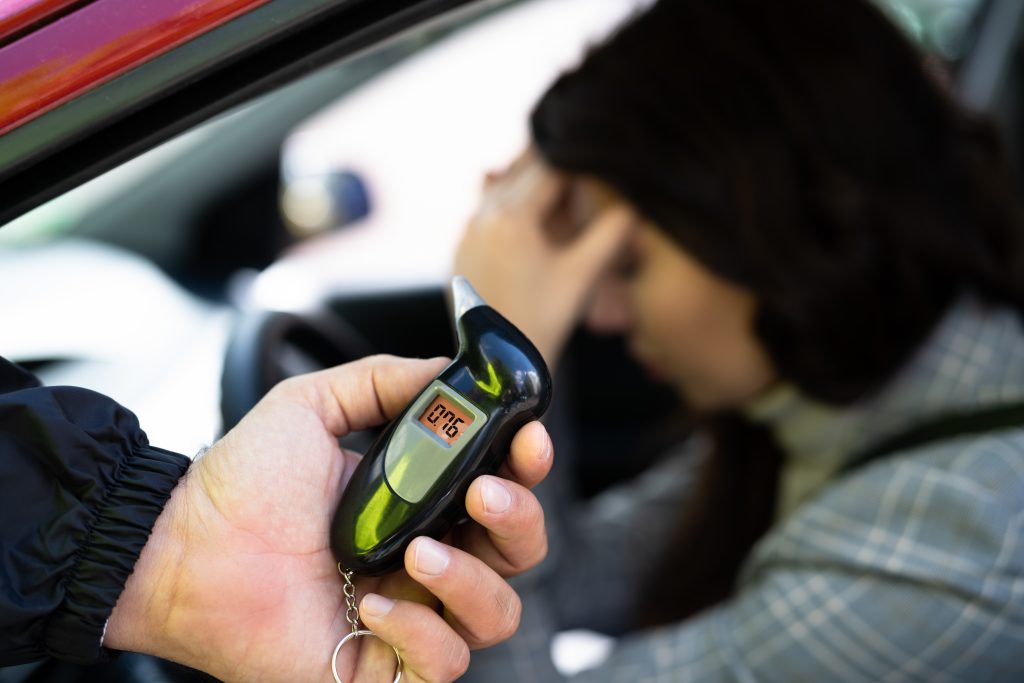
- How it works: A breathalyzer doesn’t directly measure the alcohol in your blood. It measures the alcohol that has passed from your bloodstream into the tiny air sacs (alveoli) in your lungs. As you exhale, this alcohol vapor is detected.
- Detection Window: Generally, alcohol can be detected on your breath for as long as it is still being metabolized and is present in your blood. For most people, this is up to 24 hours after they stop drinking. The amount detected will, of course, decrease steadily over that time.
Blood Tests (The Gold Standard for Accuracy)
- How it works: A simple blood draw directly measures the concentration of alcohol in your bloodstream, giving a precise BAC reading.
- Detection Window: Blood tests have a similar window to breath tests. They can accurately detect alcohol for up to 12 hours after your last drink, and in some cases, traces might be found for up to 24 hours.
Saliva Tests (A Less Common Method)
- How it works: A swab of your saliva is tested for the presence of alcohol.
- Detection Window: Saliva tests are effective for a relatively short period, typically detecting alcohol for 12 to 24 hours after consumption.
Urine Tests (It’s Complicated)
This is where most of the confusion lies, because there are two very different types of urine tests.
1. Standard Urine Test:
- What it detects: This test looks for ethyl alcohol itself. It’s not very sensitive and can only detect alcohol for a short time after you’ve sobered up.
- Detection Window: Roughly 12 to 48 hours after your last drink.
2. EtG (Ethyl Glucuronide) Test:
- What it detects: This is a much more advanced and sensitive test. It doesn’t look for alcohol itself, but for Ethyl Glucuronide (EtG), a metabolite that is formed as the body breaks down alcohol. Your body continues to produce EtG long after the alcohol itself is gone.
- Detection Window: This is the big one. EtG can be detected in urine for a much longer period, typically up to 72 hours (3 days), and sometimes even up to 80 hours (over 3 days) after heavy alcohol consumption. This is why EtG tests are often used in situations requiring proof of total abstinence, such as in legal cases or substance abuse monitoring programs.
Hair Tests (The Longest Memory)
- How it works: As alcohol is metabolized, its byproducts, including EtG, travel through the bloodstream and are deposited into growing hair follicles.
- Detection Window: Hair tests have an incredibly long detection window. They can reveal a history of alcohol consumption for up to 90 days (3 months). This test doesn’t tell you if a person was drinking yesterday; it shows a pattern of use over a long period.
Detection Window Summary Table:
| Test Type | Typical Detection Window |
| Breath | Up to 24 hours |
| Blood | Up to 12-24 hours |
| Saliva | Up to 12-24 hours |
| Urine (Standard) | Up to 48 hours |
| Urine (EtG) | Up to 80 hours (3+ days) |
| Hair | Up to 90 days |
“Why Does My Friend Seem to Sober Up Faster?” Factors That Influence Metabolism
You’ve probably noticed this. You and a friend might drink the exact same amount, but one of you feels fine while the other is significantly impaired. This is because a whole host of factors influence how your individual body processes alcohol.
1. Sex (Biological Differences Matter)
- Women generally metabolize alcohol slower than men, and there are two key reasons why. First, women tend to have lower levels of an enzyme called alcohol dehydrogenase (ADH) in their stomachs, which begins breaking down alcohol before it even reaches the bloodstream. Second, women typically have a lower percentage of body water and a higher percentage of body fat than men of the same weight. Since alcohol is water-soluble, it becomes more concentrated in a woman’s body, leading to a higher BAC from the same amount of alcohol.
2. Body Weight and Composition
- A larger person has more blood and body water to dilute the alcohol, generally resulting in a lower BAC than a smaller person who drinks the same amount. Body composition matters too – someone with more muscle (which holds more water) will have a lower BAC than someone of the same weight with more body fat.
3. Age
- As we age, our body composition changes, muscle mass tends to decrease, and our bodies contain less water. Furthermore, the efficiency of our liver can decline. This means older adults can be more sensitive to the effects of alcohol and may metabolize it more slowly.
4. Food Intake
- Drinking on an empty stomach is a recipe for a high BAC. Food, particularly high-protein and high-fat food, slows down the emptying of the stomach into the small intestine, which in turn slows down the rate of alcohol absorption into the bloodstream.
5. Liver Health
- A healthy liver is a happy liver. Conditions like fatty liver disease, hepatitis, or cirrhosis can severely impair the liver’s ability to process alcohol efficiently, meaning it stays in the system much longer.
6. Medications
- Many common medications, both prescription and over-the-counter, can interact with alcohol. Some can intensify its effects, while others can interfere with its metabolism. Always talk to your doctor or pharmacist about drinking while on medication.
7. How Fast You Drink
- Gulping down drinks or doing shots overwhelms your liver’s processing capacity far more than sipping a drink slowly over an hour.

The Big One: What is a “Standard Drink”?
To understand how long alcohol will stay in your system, you first need to know how much you’re actually drinking. A “drink” is not just whatever glass is in your hand. A standard drink in the United States contains about 14 grams (0.6 ounces) of pure alcohol.
Here’s what that looks like in the real world:
- 12 ounces of regular beer (at ~5% alcohol by volume, or ABV)
- 5 ounces of wine (at ~12% ABV)
- 1.5 ounces of distilled spirits (like vodka, rum, whiskey, gin, at ~40% ABV or 80-proof)
Be aware that many modern drinks are much stronger than this! A craft IPA might be 8% ABV (almost like 1.5 drinks), and a generous pour of wine at a restaurant could easily be 7-8 ounces (also closer to 1.5 drinks).
Debunking the Myths: Can You Sober Up Faster?
In a word: No.
This is where people get into trouble. There are countless myths about ways to speed up the process, but none of them work. They don’t lower your BAC.
❌ MYTH: Drink strong coffee. ✅ REALITY: Coffee is a stimulant. Alcohol is a depressant. Mixing them doesn’t cancel them out. The caffeine might make you feel more alert, but it does absolutely nothing to help your liver process alcohol faster. This can be dangerous, as it creates a “wide-awake drunk” who feels more capable of doing things like driving than they actually are.
❌ MYTH: Take a cold shower. ✅ REALITY: A cold shower will certainly wake you up, but all it does is give you a clean, cold, drunk person. It has zero effect on your internal BAC.
❌ MYTH: Exercise or sweat it out. ✅ REALITY: Remember, only 2-10% of alcohol leaves your body through sweat, urine, and breath. The vast majority must be processed by the liver. Exercising won’t speed up your liver, and it can be dangerous as it increases your risk of dehydration and injury due to impaired coordination.
❌ MYTH: Eat a big, greasy meal. ✅ REALITY: Eating before you drink can slow alcohol absorption. Eating after you’re already drunk will do nothing to lower your BAC. The alcohol is already in your bloodstream.
The only thing that sobers you up is TIME. You have to give your liver the time it needs to do its job.
The Bottom Line: Be Informed, Be Patient
Understanding how long alcohol stays in your system is about more than just passing a test. It’s about respecting your body’s limits and understanding the science behind responsible consumption.
There is no magic number. How long that drink lingers depends on you, what you drank, and what you did that day. But now you have the knowledge to make a much more informed estimate. You know that only time can sober you up, and you understand the immense difference between a standard urine test and an EtG test.
So, be patient with your body. Give it the time it needs to recover. And next time you raise a glass, you’ll do so with a much deeper understanding of the journey that drink is about to take.
