

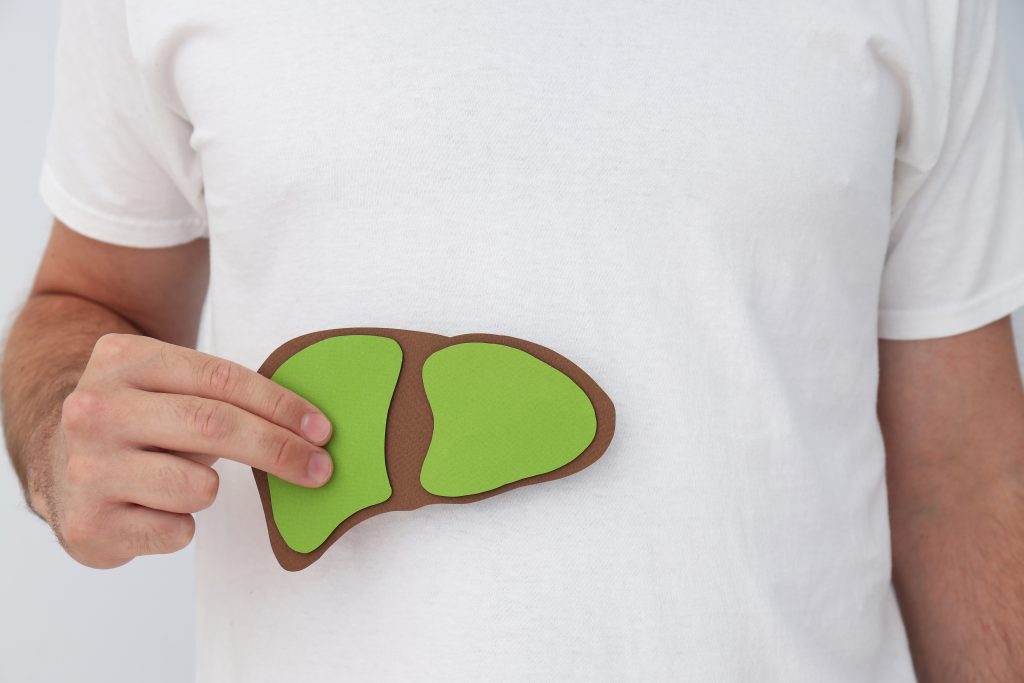
Hey there. Let’s talk about one of the most hardworking, underappreciated organs in your entire body: your liver. Tucked away in the upper right part of your abdomen, this incredible powerhouse is like a silent, tireless factory, performing over 500 vital functions 24/7. It cleans your blood, helps digest your food, produces essential proteins, stores energy, and so much more.
Most of the time, it does its job so quietly that we completely forget it’s even there. But what happens when this hero starts to struggle? What happens when it sends out quiet signals for help?
That’s what we’re here to talk about today. We’re going to have a straightforward, no-jargon conversation about the symptoms of liver disease. We’ll explore the questions people are typing into Google late at night, from the subtle early whispers of a problem to the more urgent, late-stage warnings.
This isn’t about fear-mongering. It’s about empowerment. Understanding these signs is the first step in taking control of your health. So, let’s get into it – your ultimate guide to listening to your liver.
Why Is It So Hard to Spot Liver Problems Early?
Before we dive into the symptoms, it’s crucial to understand one thing about the liver: it’s incredibly resilient and has a massive reserve capacity. It can continue to function even when a significant portion of it is damaged. While this resilience is amazing, it’s also why early-stage liver disease is often called a “silent” condition.
Think of it like a dedicated employee who keeps working even when they’re feeling unwell, not wanting to cause a fuss. Your liver does the same. The initial signs are often vague, non-specific, and easy to dismiss as something else – like stress, lack of sleep, or just feeling a bit “off.”
A Hepatologist’s Insight: “The liver is a master of compensation. It doesn’t complain until it’s under significant duress. That’s why I tell my patients that any persistent, unexplained change in their well-being warrants a conversation. We can’t afford to ignore the whispers.”
This is why recognizing those early, subtle clues is so vitally important.
The Early Whispers: Vague Symptoms You Shouldn’t Ignore
These are the symptoms that are frustratingly easy to brush off. They probably won’t have you rushing to the emergency room, but if they persist, they are your body’s way of saying, “Hey, something isn’t quite right in here.”
- Persistent Fatigue and Weakness: We’re not talking about being a bit tired after a long week. This is a profound, bone-deep exhaustion that isn’t relieved by rest. It’s often one of the very first and most common signs of liver dysfunction. Your liver plays a key role in energy storage and conversion, and when it struggles, your energy levels can plummet.
- General Feeling of Unwellness (Malaise): This is that classic “I just don’t feel right” sensation. You can’t put your finger on it, but you know you’re not operating at 100%.
- Loss of Appetite: The thought of food, even your favorite meals, might seem unappealing. This can be accompanied by unexplained weight loss.
- Nausea and Occasional Vomiting: A queasy, unsettled stomach can be an early sign. As the liver’s ability to filter toxins slows down, these waste products can build up in the blood, leading to nausea.
- Dull Pain or Discomfort in the Upper Right Abdomen: This is one of the most searched-for symptoms. Let’s explore it more.

What Does Liver Pain Actually Feel Like?
This is a tricky one because the liver itself has very few nerve endings. The “pain” people feel is often caused by one of two things:
- Stretching of the Capsule: The liver is encased in a thin membrane called Glisson’s capsule, which is rich in nerve endings. When the liver becomes inflamed and swells, it stretches this capsule, causing a dull, throbbing, or aching sensation in the upper right quadrant of your abdomen, just below your rib cage.
- Pressure on Other Structures: An enlarged liver can press on surrounding tissues and organs, causing a feeling of fullness, pressure, or general discomfort in that area.
The pain is rarely sharp or stabbing like a muscle cramp. It’s more often a persistent, nagging ache that you can’t seem to shake. It might also radiate to your right shoulder or back.
When the Body Sends Clearer Signals: The More Obvious Symptoms
As liver damage progresses, the symptoms become much more specific and harder to ignore. These are clear signs that the liver’s function is significantly impaired. If you experience any of these, it’s time to see a doctor without delay.
1. Jaundice (Yellowing of the Skin and Eyes)
This is the classic, tell-tale sign of liver trouble.
- What it looks like: The whites of the eyes (the sclera) are usually the first place to turn yellow, followed by the skin. The shade can range from a faint lemon-yellow to a deep, dark orange.
- Why it happens: Your body is constantly breaking down old red blood cells. A byproduct of this process is a yellow-orange pigment called bilirubin. A healthy liver processes this bilirubin and excretes it in your bile. When the liver is damaged, it can’t keep up. Bilirubin builds up in the bloodstream and gets deposited in the skin and eyes, causing the yellow discoloration.
- What else you’ll see: Along with jaundice, you’ll likely notice dark-colored urine (often described as tea- or cola-colored) as the body tries to get rid of the excess bilirubin through the kidneys. You may also have pale, clay-colored stools because the bilirubin isn’t reaching the intestines to give stool its normal brown color.
2. Skin Symptoms: Your Body’s Billboard
Your skin can provide a surprising number of clues about your liver’s health.
- Intense Itching (Pruritus): This isn’t just a minor itch. It can be a maddening, widespread itching sensation that isn’t relieved by scratching. It’s often worse at night and on the palms of the hands and soles of the feet. The exact cause is complex, but it’s believed to be related to the buildup of bile salts in the bloodstream that irritate nerve endings in the skin.
- Easy Bruising and Bleeding: Do you notice large bruises from minor bumps? Do your gums bleed when you brush your teeth, or do you get frequent nosebleeds? Your liver is responsible for producing the proteins that help your blood clot. When liver function declines, you don’t have enough of these “clotting factors,” leading to easy bruising and prolonged bleeding.
- Spider Angiomas: These look like a tiny red dot in the center with small blood vessels radiating outwards, resembling a spider’s web. They are most common on the face, neck, chest, and arms. They are caused by high estrogen levels, as a damaged liver struggles to metabolize hormones effectively.
- Palmar Erythema: This is a reddening of the palms of the hands, particularly at the base of the thumb and little finger. Like spider angiomas, it’s also linked to hormonal imbalances from liver disease.
3. Swelling (Edema and Ascites)
This is a sign of more advanced liver disease and is related to fluid retention.
- Edema: Swelling due to excess fluid trapped in your body’s tissues. In liver disease, this is most common in the legs, ankles, and feet. You might notice that your socks leave deep indentations at the end of the day.
- Ascites: This is the accumulation of fluid specifically in the abdominal cavity. It can cause the belly to become very swollen and distended, looking almost like a pregnancy. It can be very uncomfortable, causing shortness of breath, a feeling of fullness, and back pain.
- Why it happens: This swelling is caused by a double-whammy. First, a damaged liver struggles to produce enough of a key protein called albumin. Albumin acts like a sponge, keeping fluid inside your blood vessels. When albumin levels are low, fluid leaks out into the surrounding tissues and the abdomen. Second, advanced liver disease (cirrhosis) can increase pressure in the veins that run through the liver (a condition called portal hypertension), which forces fluid out into the abdominal cavity.
The Brain Connection: When Your Liver Affects Your Mind
One of the most frightening aspects of advanced liver disease is how it can impact your brain. This is a condition called Hepatic Encephalopathy (HE).
- What it is: Your liver is your primary detoxifier. One of the key toxins it clears is ammonia, a byproduct of protein digestion. When the liver is severely damaged, it can’t filter out this ammonia, which then travels through the bloodstream to the brain. Ammonia is highly toxic to brain cells.
- Symptoms of HE can range from mild to severe:
- Mild: Subtle changes in personality, brain fog, confusion, forgetfulness, difficulty concentrating, mood swings, and poor judgment.
- Moderate: Marked confusion, drowsiness, slurred speech, anxiety, and a characteristic “flapping” tremor in the hands when they are held out (called asterixis).
- Severe: Extreme disorientation, coma, and can be life-threatening.
A Caregiver’s Story: “Before my husband’s diagnosis, I just thought he was becoming moody and forgetful. He’d get confused about simple things and his handwriting became a scribble. We blamed it on stress. When the doctor explained Hepatic Encephalopathy, it was a lightbulb moment. It wasn’t him; it was the toxins affecting his brain. Understanding that changed everything for us.”
Symptoms and Specific Liver Conditions
While many symptoms overlap, some are more commonly associated with specific types of liver disease.
- Non-Alcoholic Fatty Liver Disease (NAFLD): This is now one of the most common causes of liver disease, linked to obesity, type 2 diabetes, and high cholesterol. For many, it has no symptoms at all in the early stages and is often discovered by accident on a blood test or ultrasound. When symptoms do appear, they are often the vague, early ones like fatigue and dull abdominal discomfort.
- Alcoholic Liver Disease (ALD): This develops from heavy, long-term alcohol use. Early signs can include nausea, loss of appetite, and abdominal pain. As it progresses to alcoholic hepatitis or cirrhosis, more severe symptoms like jaundice, ascites, and confusion become prominent.
- Hepatitis (Viral): Hepatitis A, B, and C are caused by viruses. Hepatitis A often causes acute (short-term) symptoms like fever, fatigue, nausea, and jaundice, which then resolve. Hepatitis B and C can become chronic, silently damaging the liver over many years or decades before symptoms of advanced liver disease appear.
Are Liver Disease Symptoms Different in Women?
This is a very common Google search. While the core symptoms (jaundice, fatigue, swelling) are the same for everyone, there are some nuances:
- Autoimmune Hepatitis: This condition, where the body’s own immune system attacks the liver, is significantly more common in women. Symptoms can include fatigue, joint pain, and itching.
- Progression of Alcoholic Liver Disease: Women tend to develop severe alcoholic liver disease, like cirrhosis, after less cumulative alcohol consumption and over a shorter period of time than men.
- Symptoms can be overlooked: Vague symptoms like fatigue, nausea, and abdominal pain can sometimes be mistakenly attributed to gynecological or hormonal issues, potentially delaying a diagnosis.
Your Action Plan: “I Have Some of These Symptoms. What Now?”
Reading a list of symptoms online can be terrifying. But information is only useful when paired with action. If any of this sounds familiar, here is your calm, clear plan.
- Do Not Panic, But Do Not Ignore It: Self-diagnosing based on a blog post is a recipe for anxiety. Your symptoms could be caused by a wide range of less serious conditions. However, the key takeaway is that persistent, unexplained symptoms should never be ignored.
- Schedule an Appointment with Your Doctor: This is your most important next step. Be prepared to talk openly. Write down your symptoms, when they started, and how often they occur. Be honest about your lifestyle, including your diet and alcohol consumption. This is a judgment-free zone; your doctor needs this information to help you.
- What to Expect at the Doctor: Your doctor will likely start with:
- A Physical Exam: They will feel your abdomen to check for liver enlargement or tenderness.
- A Liver Function Test (LFT): This is a simple blood test that measures the levels of various enzymes and proteins in your blood, such as ALT, AST, albumin, and bilirubin. Elevated liver enzymes can be the first sign of inflammation or damage.
- Imaging Tests: Depending on your symptoms and blood work, they might order an ultrasound, CT scan, or MRI to get a visual picture of your liver and check for fat, scarring, or other abnormalities.
A Final Thought: Be Kind to Your Liver
Your liver is a silent, forgiving hero. It works tirelessly for you every single day. The rise of liver disease, particularly NAFLD, is a sign of our modern lifestyles. The good news is that in many early stages, liver disease is reversible. Your liver has an incredible capacity to heal itself if it’s given the chance.
Listening to your body is a skill. It’s about noticing the quiet whispers before they become urgent shouts. If you feel off, if something is persistently wrong, trust that feeling. Talk to a professional.
By understanding these signs, you’re not just learning about a disease; you’re learning the language of your own body. And that is one of the most powerful steps you can take toward a long and healthy life.
